Practical alpaca guides
Alpaca how-to guides
Learn what it takes to start and manage an alpaca farm or follow alpaca fleece from its first preparation to a finished piece of clothing. Each section begins with an overview and leads to more detailed guides.
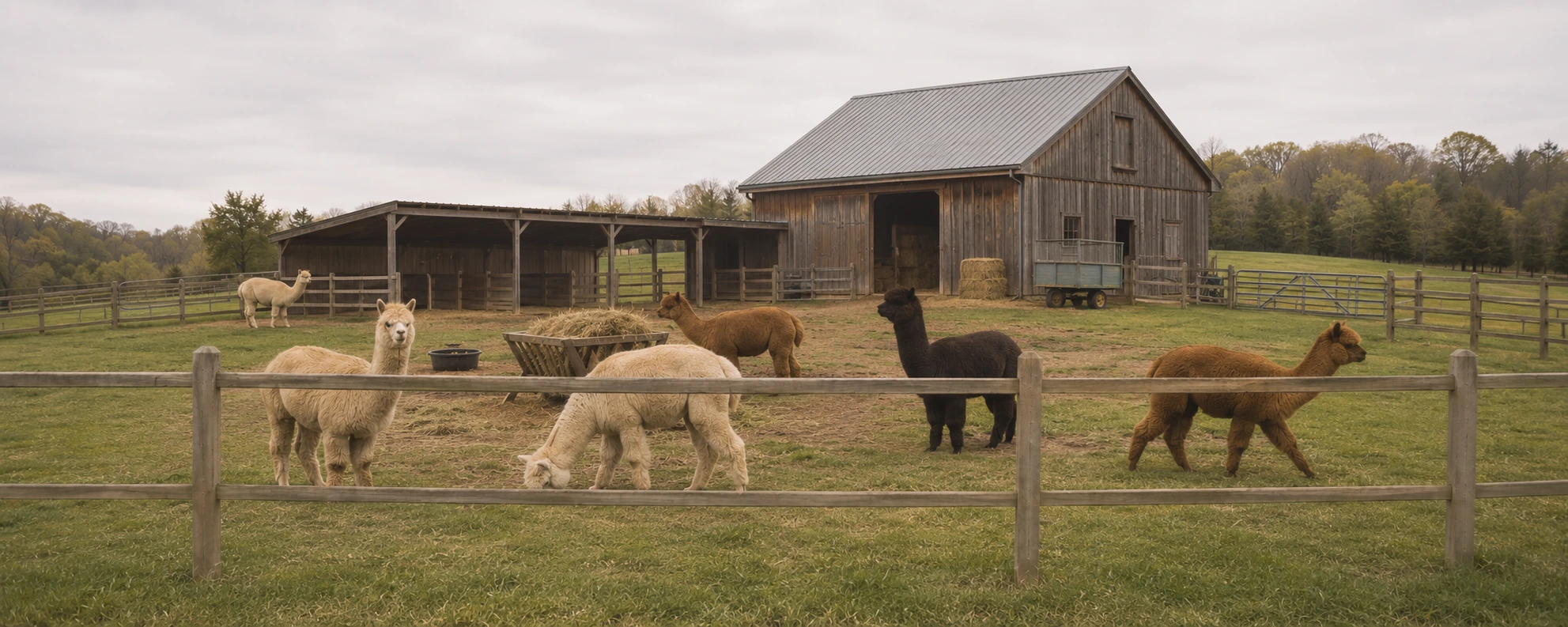
Farm planning and herd care
Starting an alpaca farm
Starting an alpaca farm requires more than purchasing a few animals. Suitable land, secure fencing, weather protection, dependable veterinary care, feed storage, and room to manage animals safely all need to be considered before the herd arrives.
Begin with the farm overview, then examine the individual subjects that affect daily care and long-term planning. The guides cover breeding decisions, initial and continuing expenses, veterinary care, and feeding an alpaca herd.
Planning the foundation
Before starting an alpaca farm
Begin by deciding what the farm is meant to do. A small fiber herd, a breeding program, a farm that welcomes visitors, and a business selling finished products each require a different mix of land, buildings, equipment, time, and labor. Writing down those goals makes it easier to evaluate the likely farm costs and avoid purchasing animals before the property is ready.
Alpacas are social herd animals, so their needs cannot be planned as though they were solitary livestock. Their daily routines, response to handling, and relationships within the herd all affect fencing, shelters, feeding areas, and animal movement. Learning about alpaca behavior is useful before designing those spaces. It is also important to understand the differences between alpacas and llamas, since their size and traditional purposes are not the same.
Visiting working farms can provide a clearer picture of chores, equipment, pasture use, and seasonal responsibilities than reading alone. The directory of alpaca farms by state can help you find farms nearby, although visits should always be arranged according to each farm’s policies. Those conversations can also help identify local sources of hay, experienced veterinarians, shearers, and other services needed to support a herd.
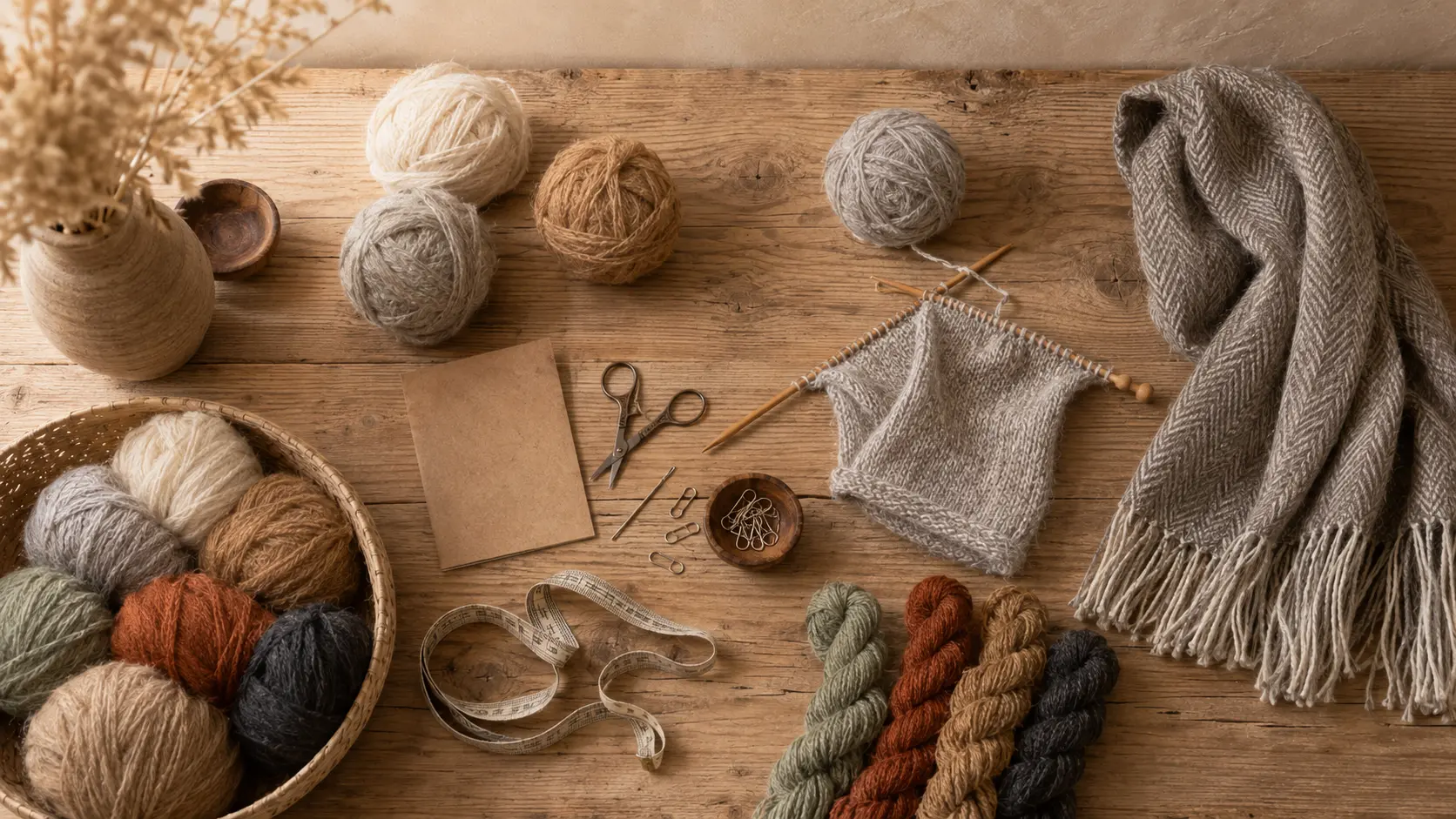
Working with alpaca fiber
Making alpaca clothing
Before alpaca fleece becomes clothing, it must be sorted, cleaned, prepared, spun into yarn, and matched to an appropriate project. The fiber’s softness, warmth, drape, and durability influence whether it is used alone or blended with another fiber.
Start with the clothing overview to understand the complete process. The individual guides then examine the yarn, tools, construction, and finishing considerations involved in making common alpaca garments and household goods.
Working with the fleece
From alpaca fleece to finished goods
The process begins at shearing, when the fleece is removed and separated according to quality and intended use. Sorting keeps finer fiber apart from coarser material, while washing and carding prepare it for spinning. These steps have changed with modern equipment, but alpaca fiber has been used in Andean textiles for centuries. The broader history of alpacas explains how herding and textile production developed together.
Not every alpaca yarn behaves the same way. Fiber fineness, twist, yarn weight, and the addition of wool or synthetic fibers can change elasticity, strength, warmth, and drape. Socks need resilience in areas that receive heavy wear, while sweaters and scarves place more emphasis on softness and comfort. Blankets may use thicker yarn or woven construction. The main alpaca clothing section describes how these finished items differ.
Many farms sell raw fleece, roving, yarn, or completed products, while others send their fiber to a regional mill for processing. Visiting an alpaca farm can help buyers see how the animals are raised and learn where the fiber originated. The guides in this section provide a starting point for understanding the work between shearing day and the final stitch, while each project page explores the process in greater detail.