From fleece to finished goods
How to make alpaca clothing
Making clothing from alpaca fleece begins well before the first stitch. Fiber must be sorted, cleaned, prepared, spun into yarn, and matched to a project that suits its softness, warmth, strength, and drape.
Planning the project
Where to start
Begin with the finished item in mind. A pair of socks needs yarn that can withstand friction and repeated wear, while a scarf can place more emphasis on softness and drape. Sweaters, jumpers, and blankets introduce additional questions about gauge, garment weight, yardage, seaming, and how the fabric will hold its shape over time.
You do not need to raise alpacas or process a raw fleece to begin making clothing. Prepared alpaca yarn is available in different weights, natural colors, dyed shades, and fiber blends. Buying a small amount for a test swatch is a practical way to learn how a particular yarn behaves before committing to a larger project. Some alpaca farms sell yarn produced from their own animals, which can also provide information about how the fiber was prepared.
If you are beginning with raw fleece, the preparation steps are just as important as the knitting or weaving that follows. Clean, consistently prepared fiber is easier to spin, and evenly spun yarn is easier to use at a predictable gauge. The finished-product guide to alpaca clothing can help you compare the characteristics of socks, sweaters, jumpers, blankets, and scarves before selecting the first project.
The preparation sequence
Preparing alpaca fleece
Each stage affects the cleanliness, consistency, and handling of the yarn that follows. Small batches can be prepared by hand, while larger quantities are often sent to a fiber mill.
-
Shearing
Alpacas are generally shorn as part of their regular care. The fleece is collected in sections so fiber from different parts of the animal can be evaluated separately.
-
Sorting
Fleece is sorted by fineness, length, color, and condition. Coarser fibers, heavily soiled areas, and obvious debris are separated from material intended for clothing.
-
Washing
Fiber is washed carefully to remove dirt and other material. Excessive agitation and abrupt temperature changes are avoided because they can cause fibers to mat together.
-
Carding or combing
Carding opens and organizes the clean fiber into a form that can be spun. Combing can produce a more aligned preparation for smoother, more consistent yarn.
-
Spinning
The prepared fiber is drawn and twisted into yarn. Yarn thickness, twist, plying, and any added fibers are chosen according to the demands of the finished project.
Before the first stitch
Choosing yarn and tools
Alpaca yarn is sold in weights ranging from fine yarns suited to lightweight garments to heavier yarns used for warm accessories and blankets. The label should provide a recommended needle or hook range, but that recommendation is only a starting point. Knitting a gauge swatch shows how the yarn behaves with a particular tool size, stitch pattern, and amount of tension.
Pure alpaca can produce a soft fabric with noticeable warmth and drape, but it may not provide the elasticity or abrasion resistance needed for every item. Wool can add memory and bounce, while nylon or another durable fiber is often included in sock yarn. The appropriate blend depends on the project rather than on a rule that applies to all alpaca clothing. Differences between the coats of alpacas and llamas also help explain why their fibers have traditionally been used differently.
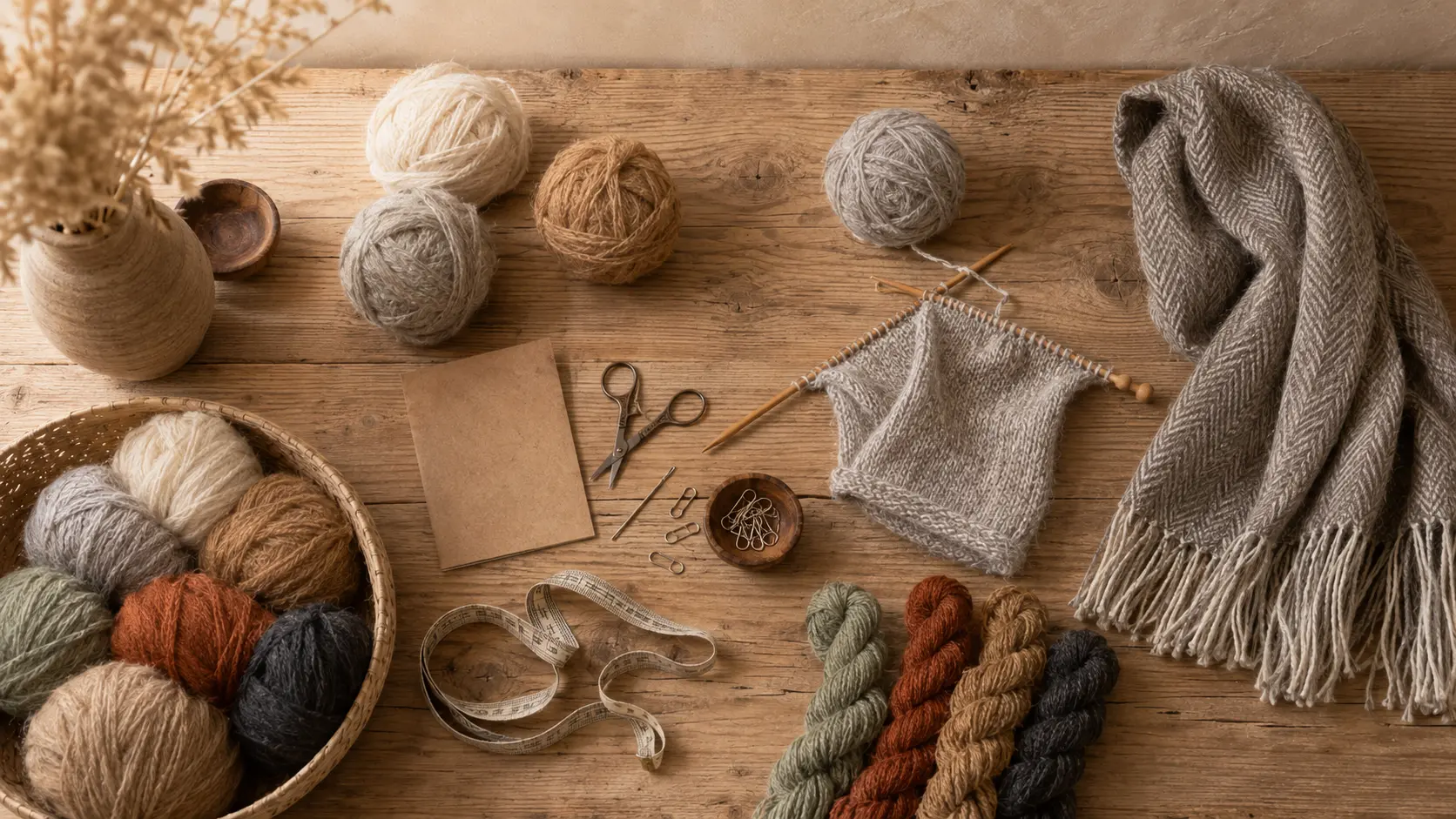
Basic tools may include knitting needles, a crochet hook or loom, scissors, a measuring tape, stitch markers, a tapestry needle, and blocking supplies. A written pattern helps calculate yardage and maintain consistent shaping. Because alpaca fabric can change after washing, the test swatch should be washed and dried in the same way planned for the finished piece before final measurements are accepted.
Choose a project
Alpaca clothing project guides
Each guide looks more closely at suitable yarn, tools, construction, fit, and finishing for a particular type of alpaca garment or household item.
 Making alpaca socks
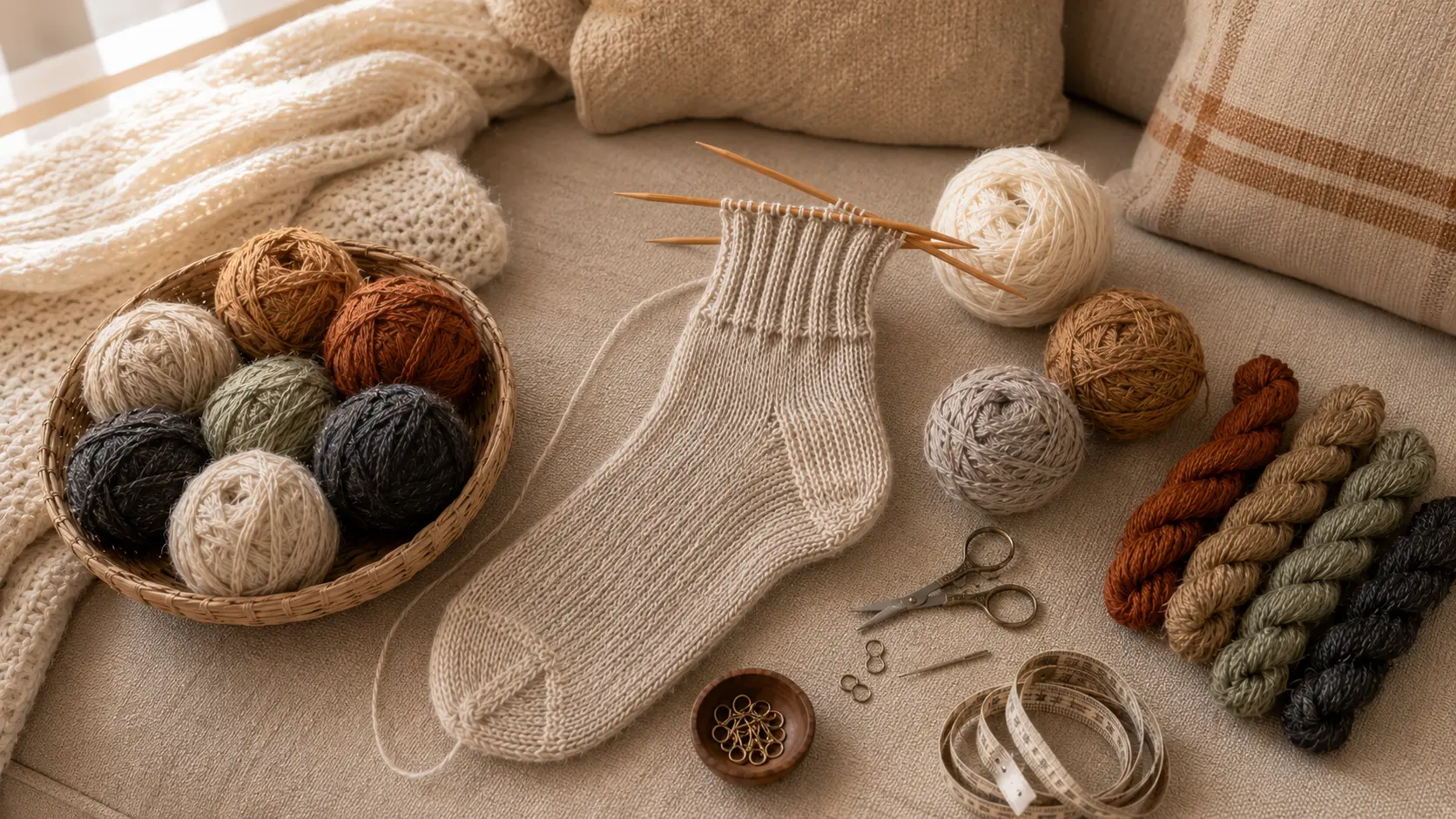
Choose a durable blend and plan the cuff, heel, foot, and toe.
Making alpaca socks
Choose a durable blend and plan the cuff, heel, foot, and toe.
 Making alpaca sweaters
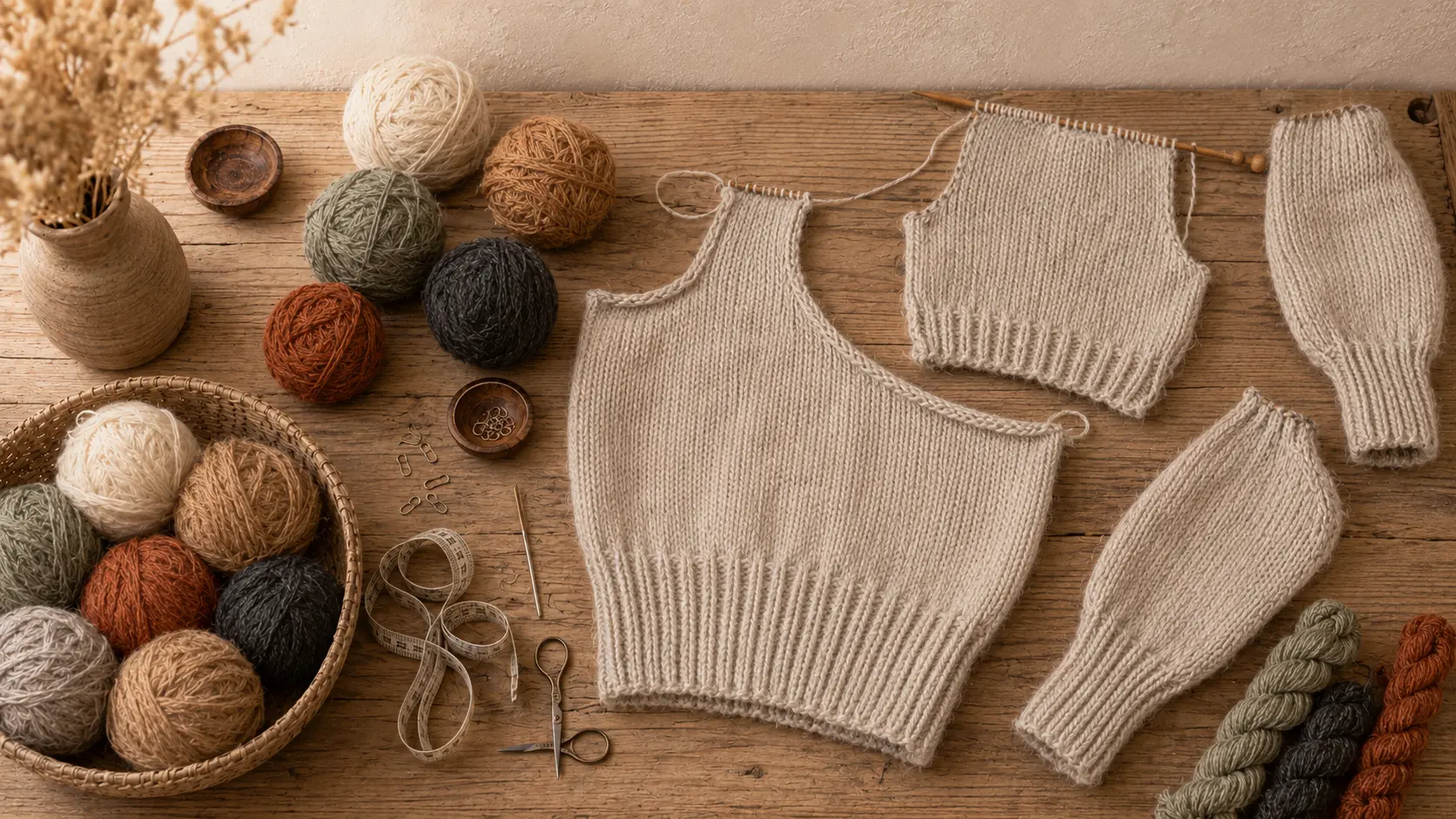
Plan gauge, shaping, seams, drape, and the weight of the garment.
Making alpaca sweaters
Plan gauge, shaping, seams, drape, and the weight of the garment.
 Making alpaca jumpers
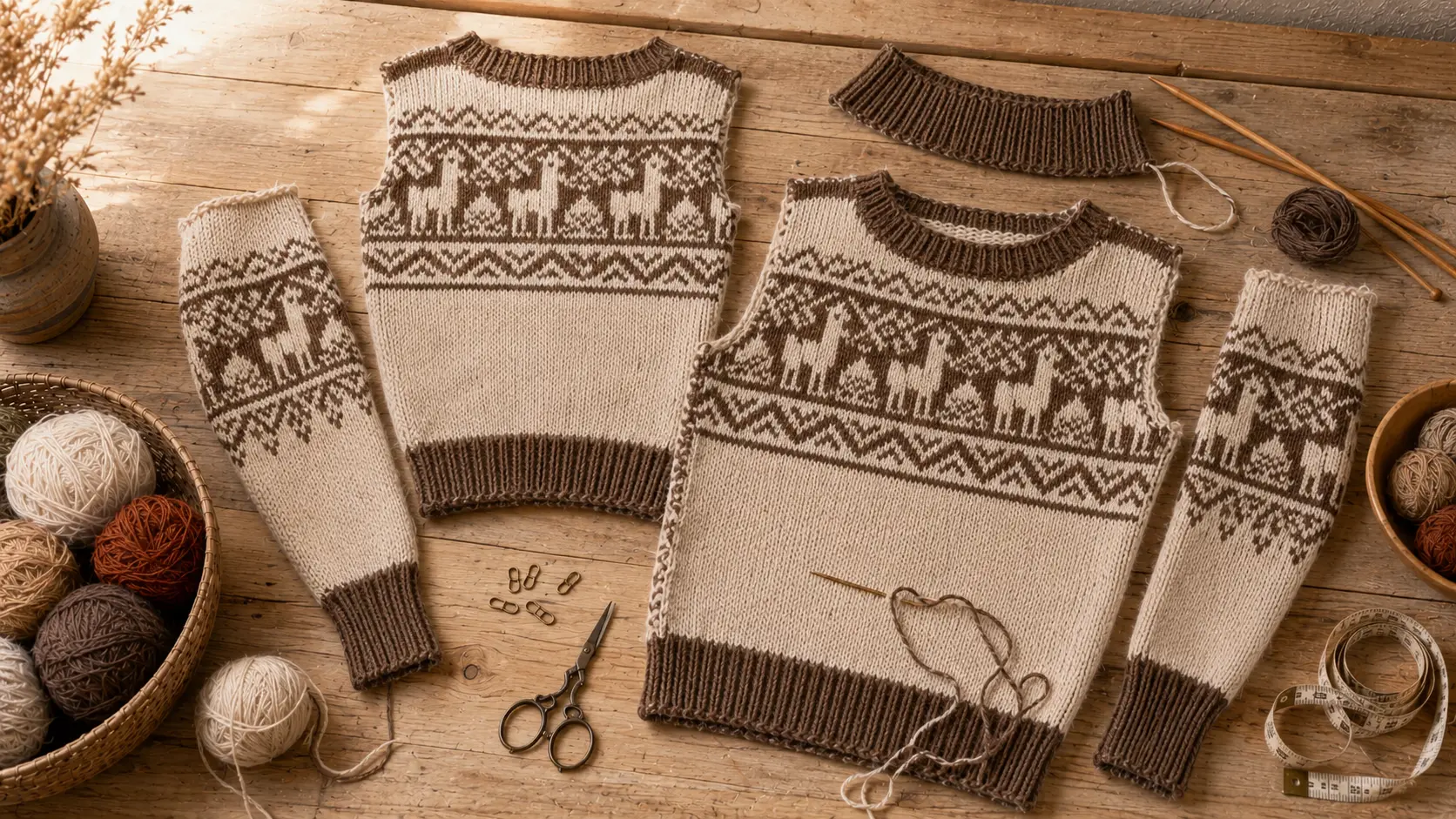
Construct a pullover with balanced shaping, neckline, and finishing.
Making alpaca jumpers
Construct a pullover with balanced shaping, neckline, and finishing.
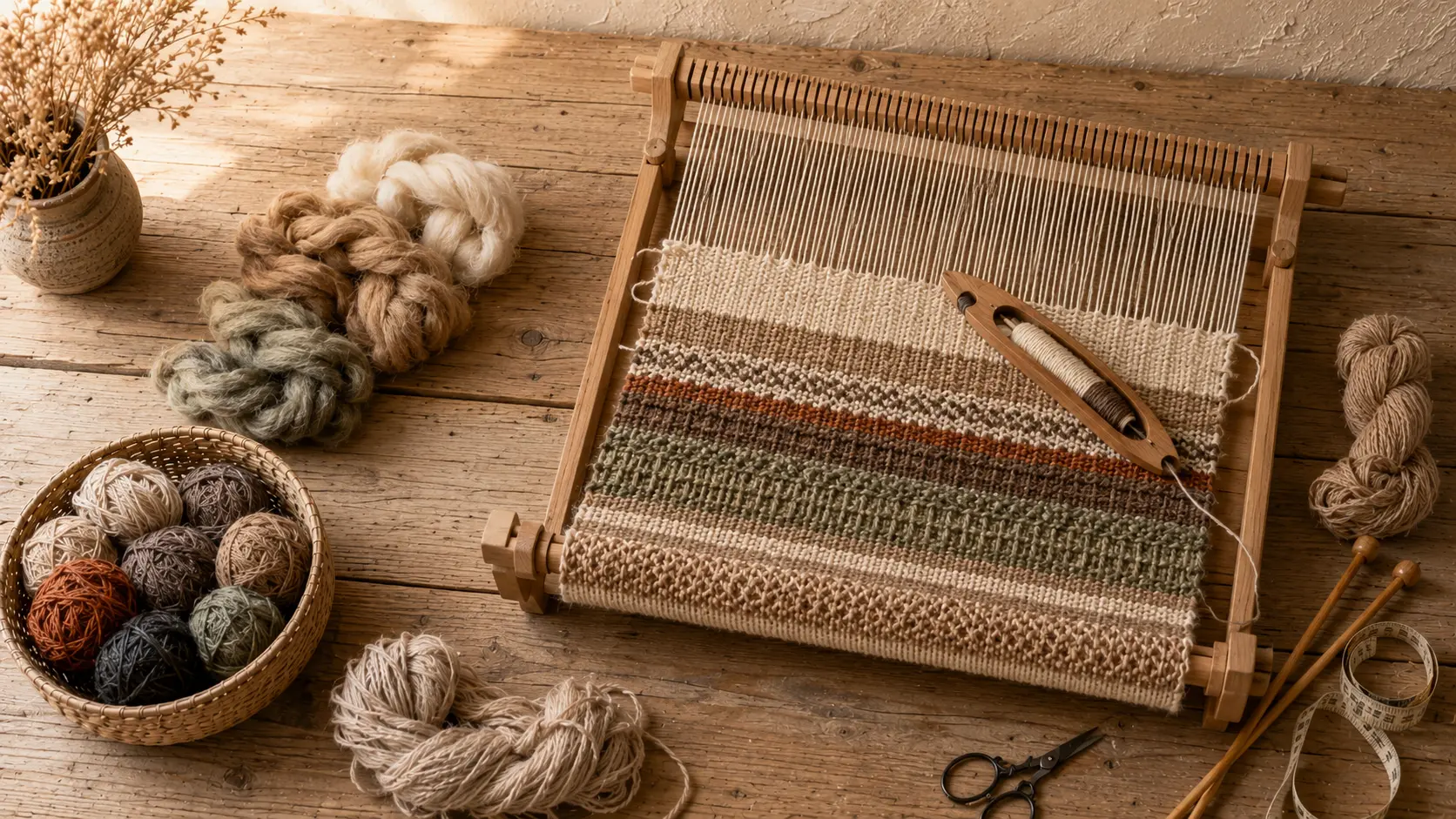 Making alpaca blankets
Estimate yarn needs and select a knitted or woven construction.
Making alpaca blankets
Estimate yarn needs and select a knitted or woven construction.
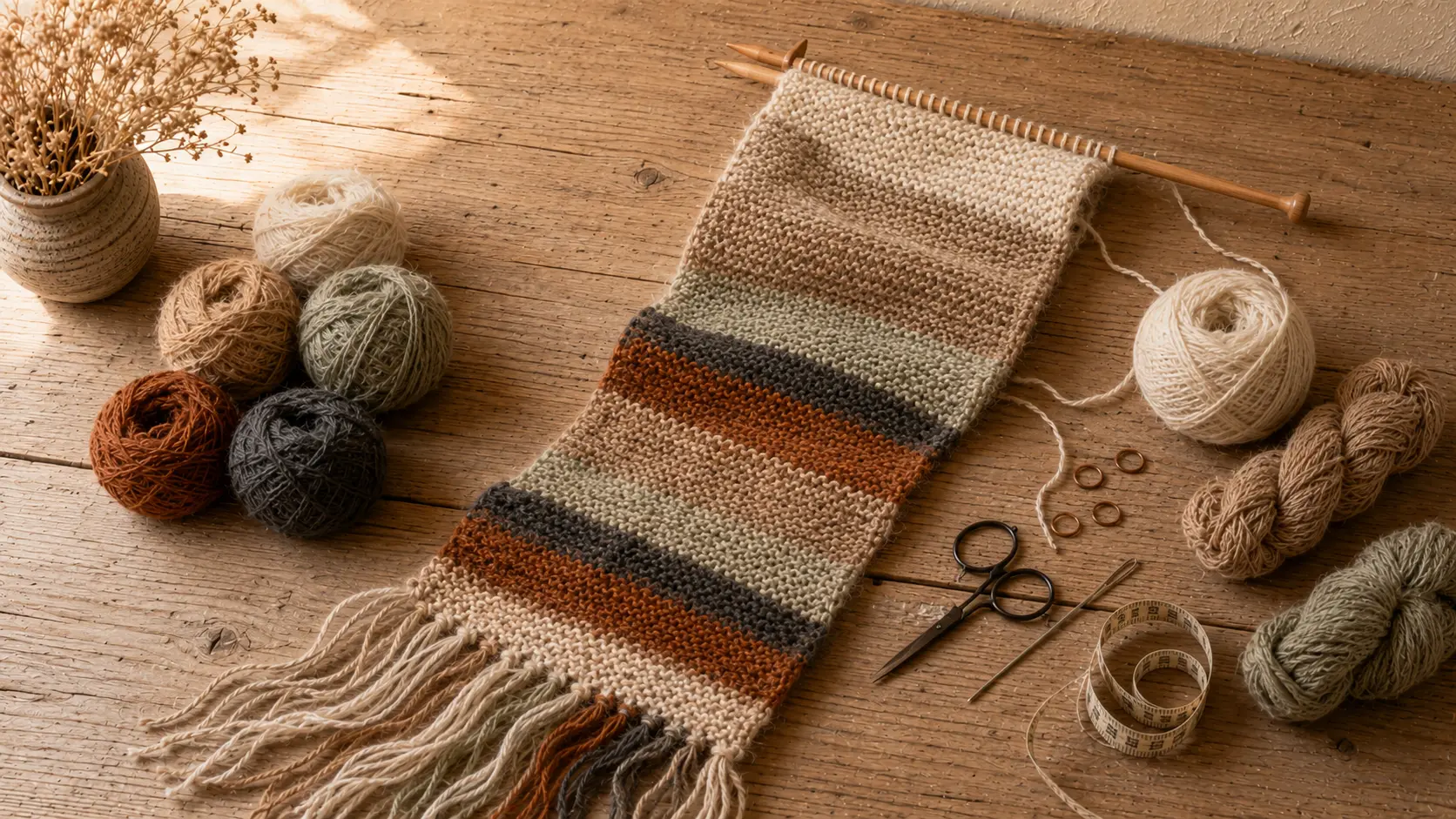 Making alpaca scarves
Use a manageable first project to explore softness, stitch, and drape.
Making alpaca scarves
Use a manageable first project to explore softness, stitch, and drape.