Alpacas / Fiber / Processing
How Alpaca Fiber Is Made
A soft sweater, scarf, or blanket begins as fleece. Follow the material as it changes from raw locks into prepared fiber, yarn, and finally a finished textile.
Follow the fleece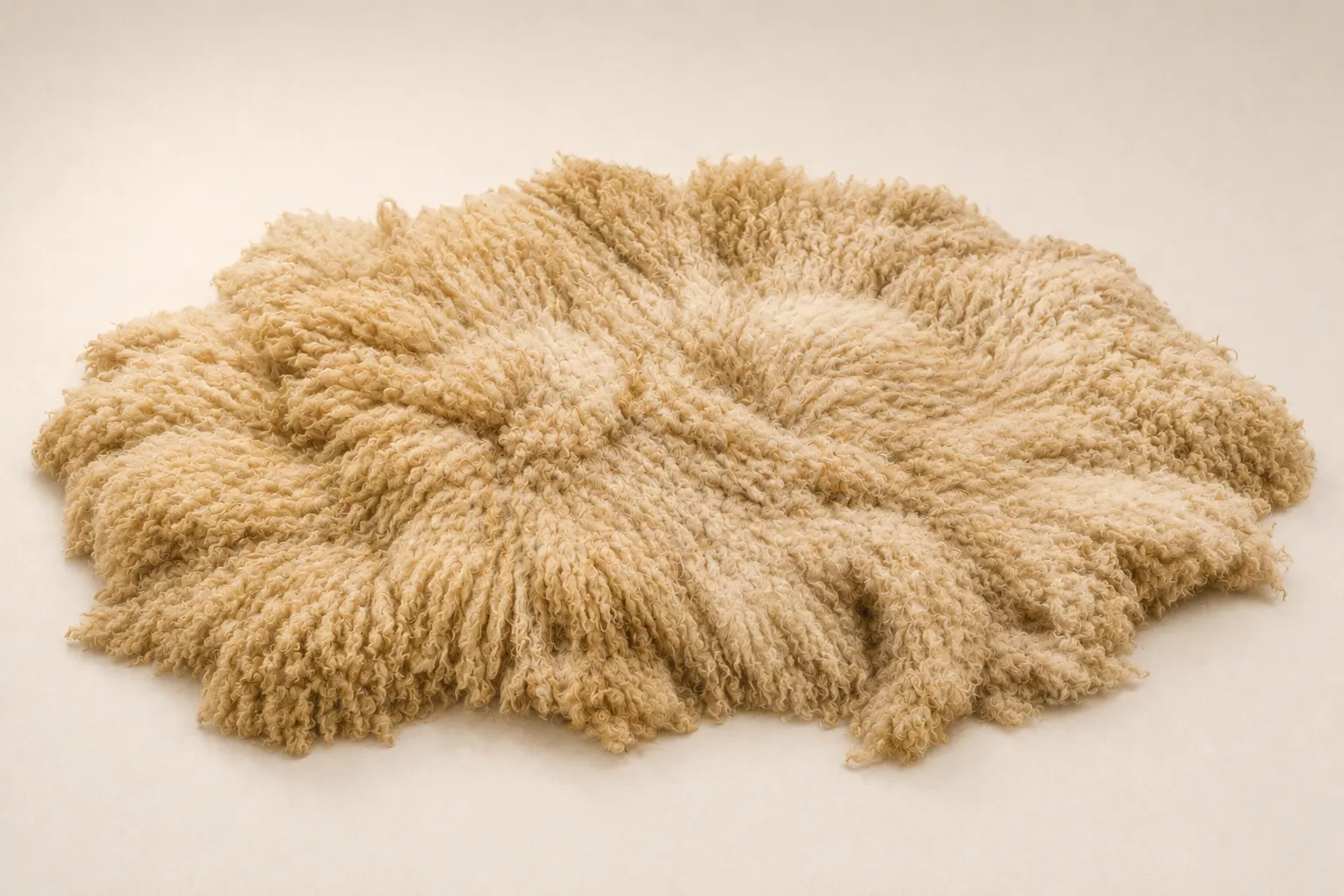
Before the yarn
The Fiber Changes Step by Step
An alpaca grows fleece that is useful only after it has been separated, cleaned, organized, and prepared for spinning. The exact path can vary, but the basic transformation is easy to follow.
Different alpacas produce fleece with different lengths, fineness, colors, and levels of consistency. Those differences affect how the fiber is sorted and what it may eventually become.
The process also depends on the intended use. Fiber that will become a scarf may be handled differently from fiber destined for a blanket or another finished textile.
01 / The journey
From Raw Fleece to Finished Textile
Choose any stage. The main image and explanation change as the fleece moves through the process.
Stage 1
Raw fleece
Fresh fleece still contains natural variation, loose debris, and fibers from different parts of the animal. Before it can become yarn, it needs to be examined and separated.
Nothing yet. This is the material close to the beginning of the process.
02 / Watch the form change
The Same Fiber, Three Very Different Forms
Raw fleece does not resemble yarn very much. Compare three stages to see how organization changes the material.
Raw fleece
The fibers are still grouped in natural locks and are not yet arranged into a form ready for spinning.
Not every batch is identical
Processing Depends on the Fleece and the Goal
The basic sequence is useful for understanding the transformation, but not every batch follows an identical route. Some fleece is processed by hand, some goes through small fiber mills, and larger operations may use specialized equipment.
The quality of the starting fleece matters too. Finer and more uniform fiber may be separated for softer textile uses, while coarser portions can be directed toward projects where next-to-skin softness matters less. That is where fiber grades connect directly with processing decisions.
Natural color can influence the route as well. Fiber may stay undyed so its original shade remains visible, which is one reason the wide range of alpaca fiber colors can matter before spinning even begins.
03 / The payoff
Roving Becomes Yarn, Yarn Becomes Textile
The final stages make the transformation easier to recognize.
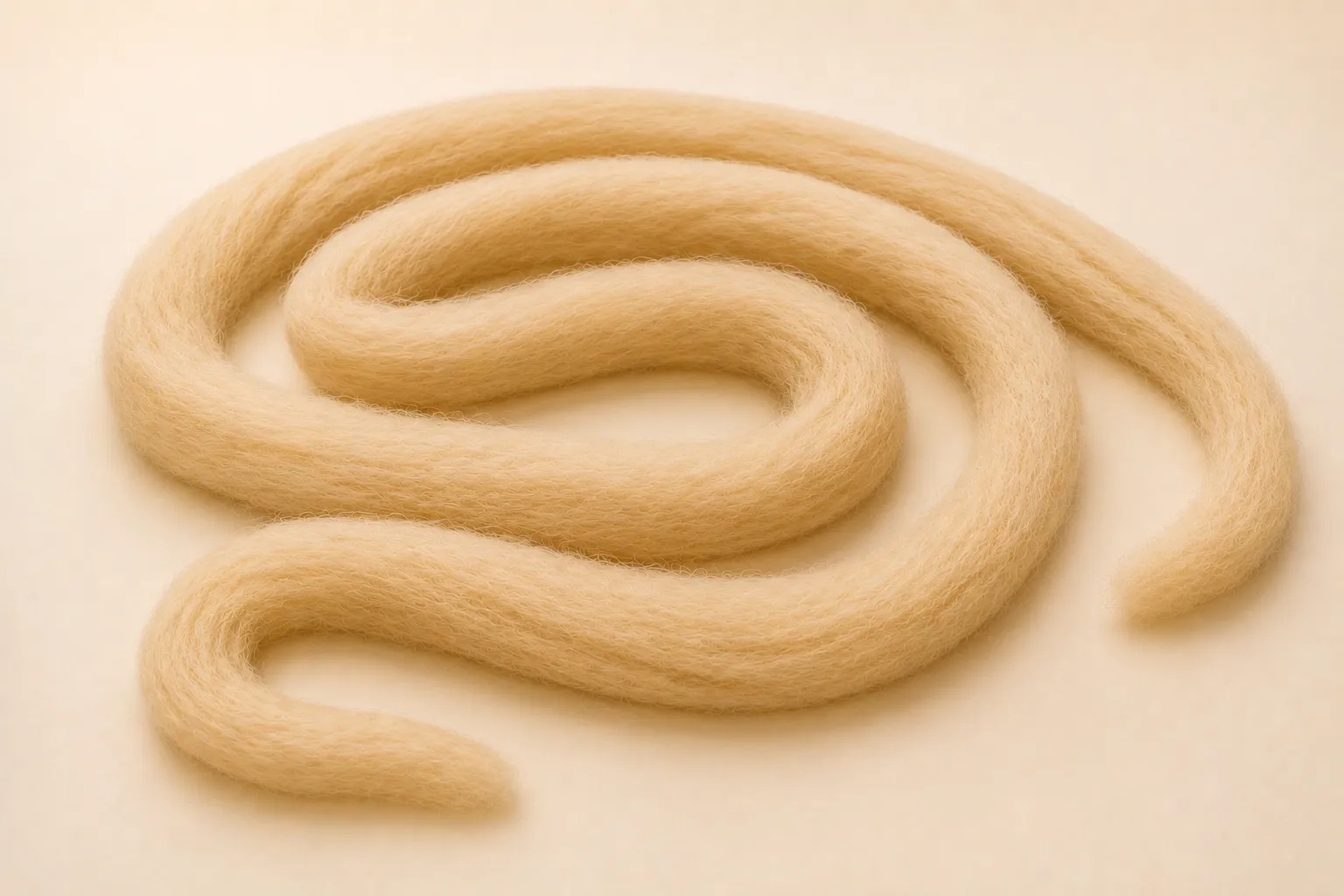
Prepared fiber is gathered into a continuous, loose form that is easier to spin.
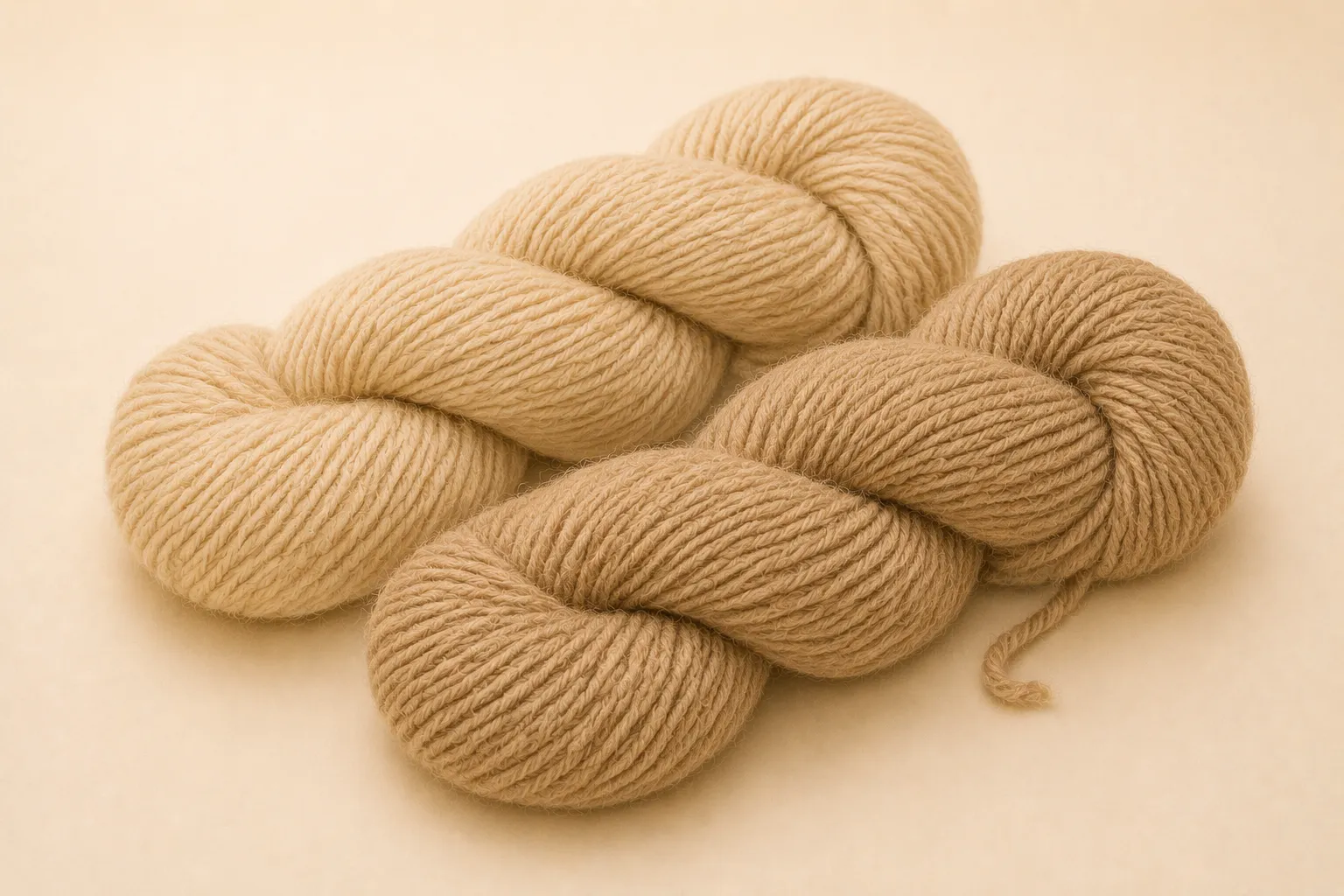
Twisting the prepared fibers together creates a stronger continuous strand.
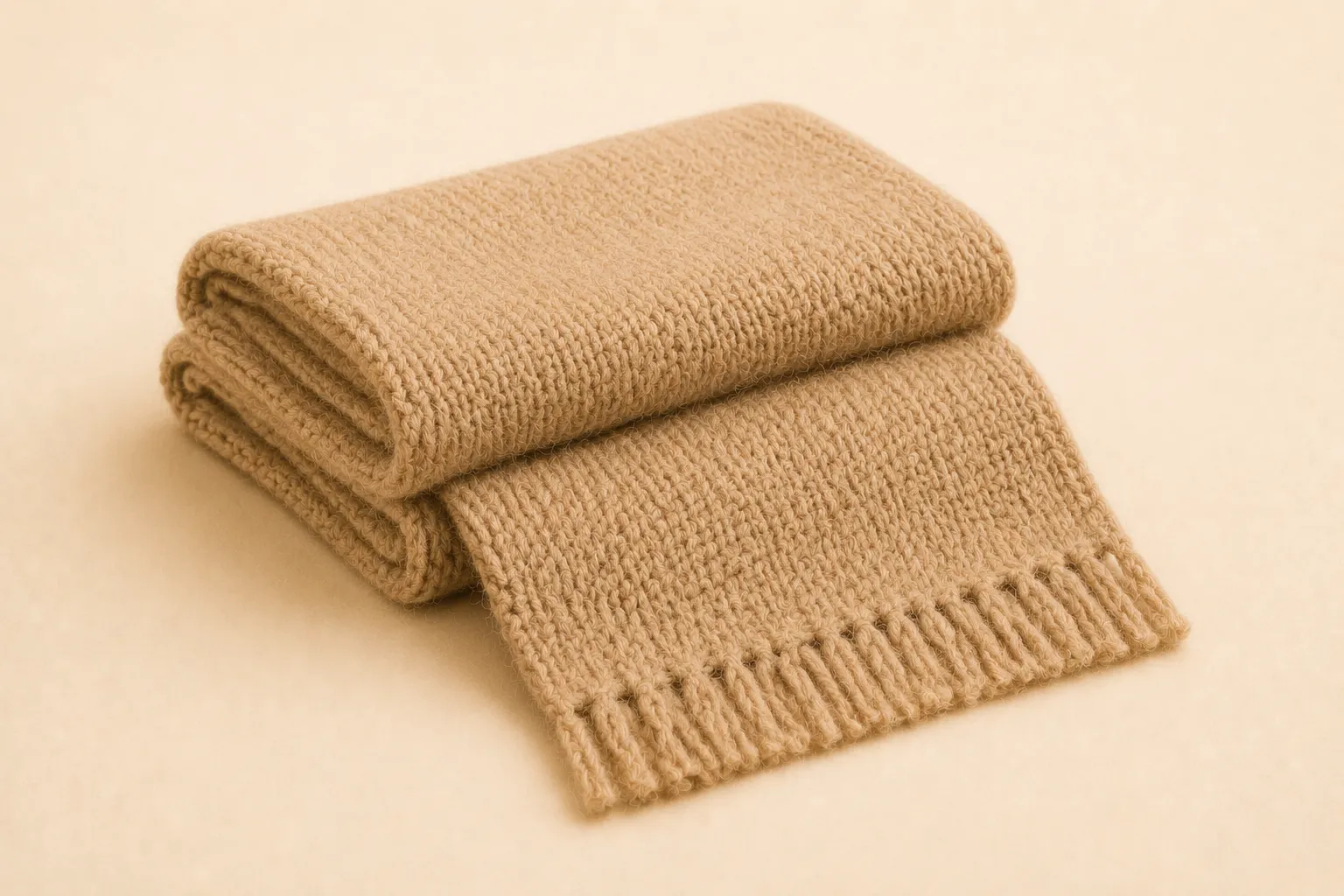
Yarn can then be knitted or woven into clothing, blankets, and other finished products.