From cria to senior years
How long do alpacas live?
Most alpacas live about 15 to 20 years. Their lifespan can vary with genetics, nutrition, living conditions, preventive care, and the attention they receive throughout life.
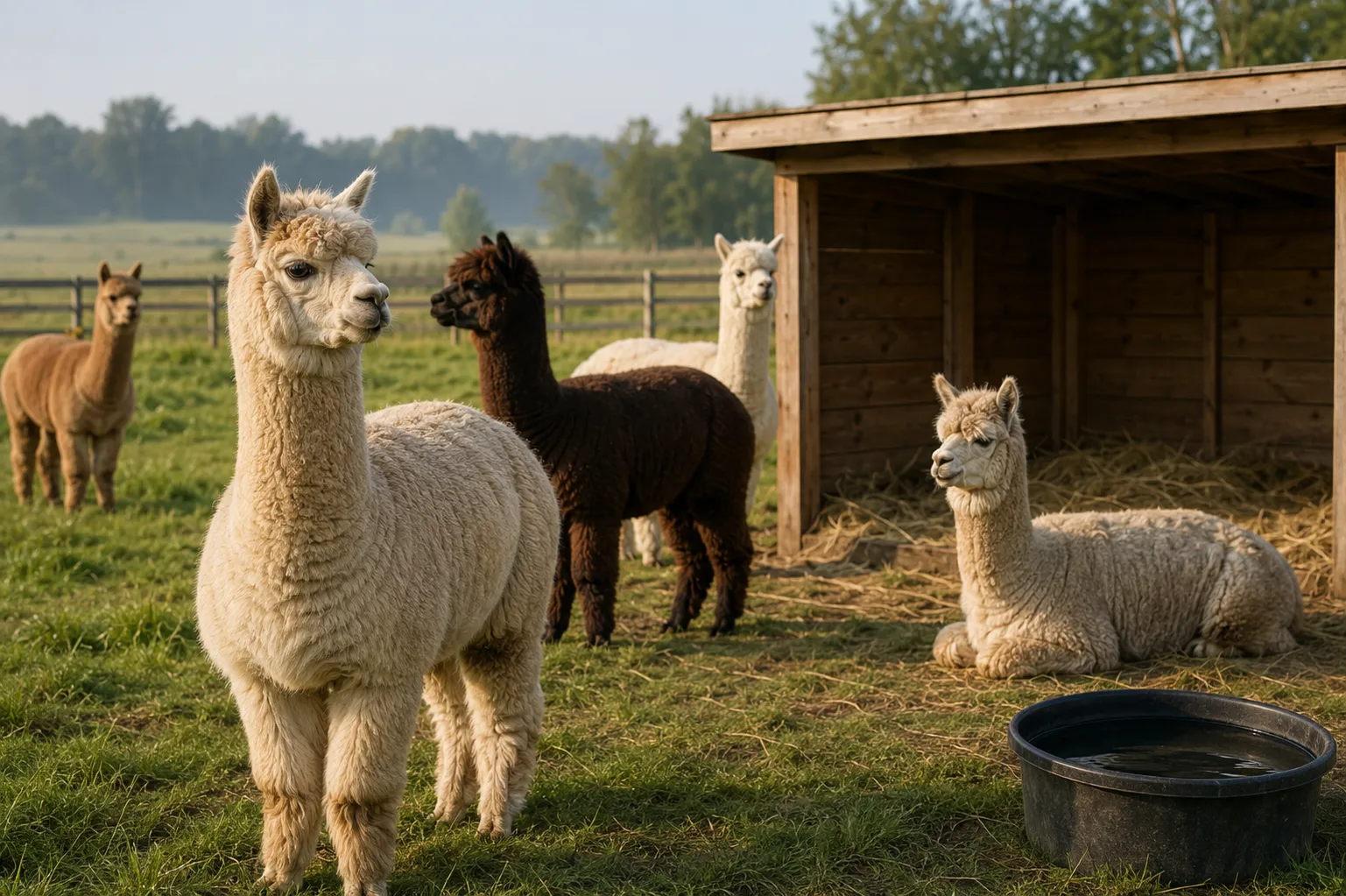
The short answer
About 15 to 20 years
That is the usual lifespan range people mean when they ask how long alpacas live. Some may live a little less or longer, but an alpaca should be considered a long-term commitment from the beginning.
- Typical lifespan
- 15–20 years
- Life stages
- Cria, growing, adult, senior
- What matters
- Consistent care over time
01 · The everyday foundation
Daily care adds up over a lifetime
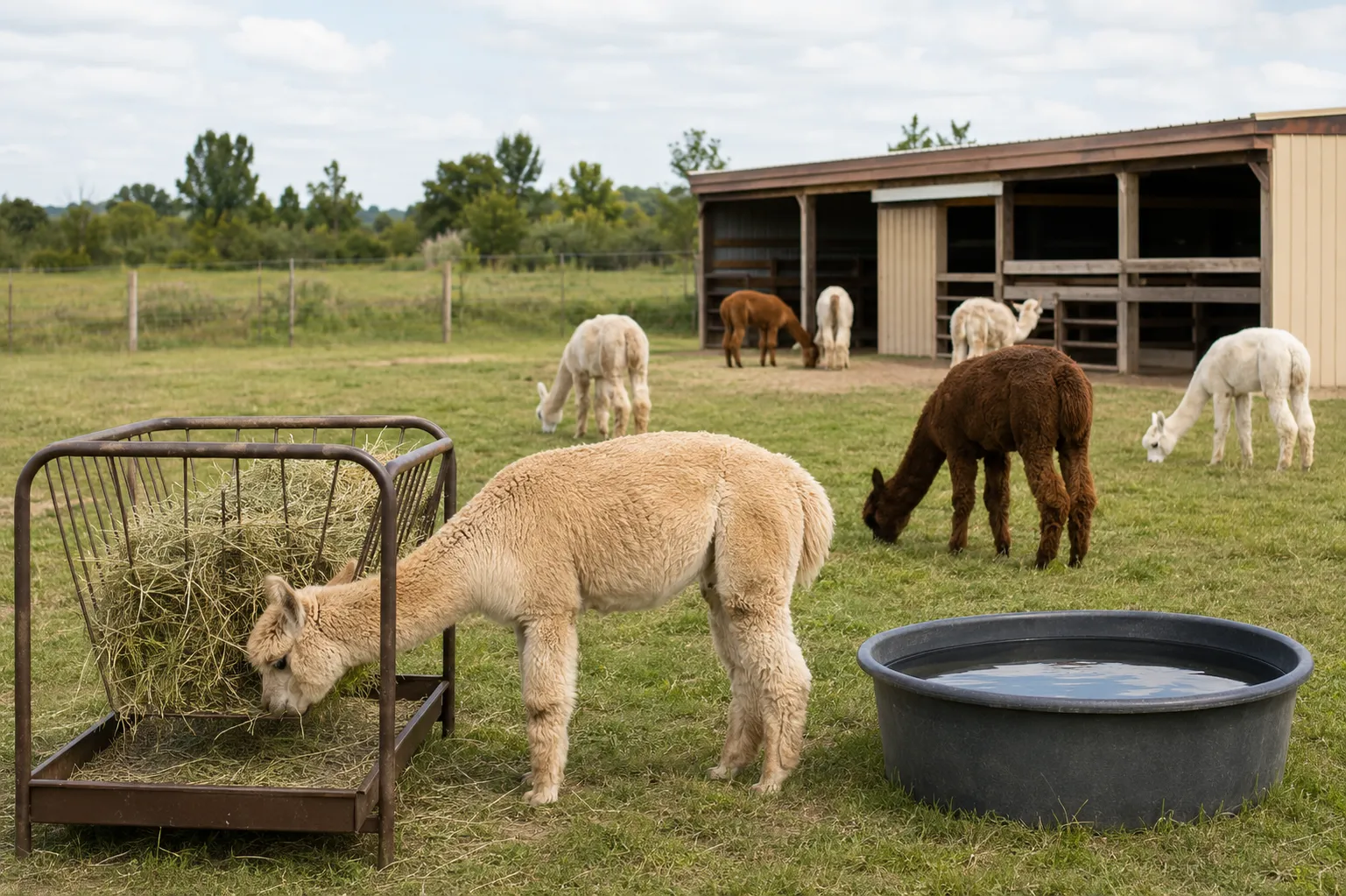
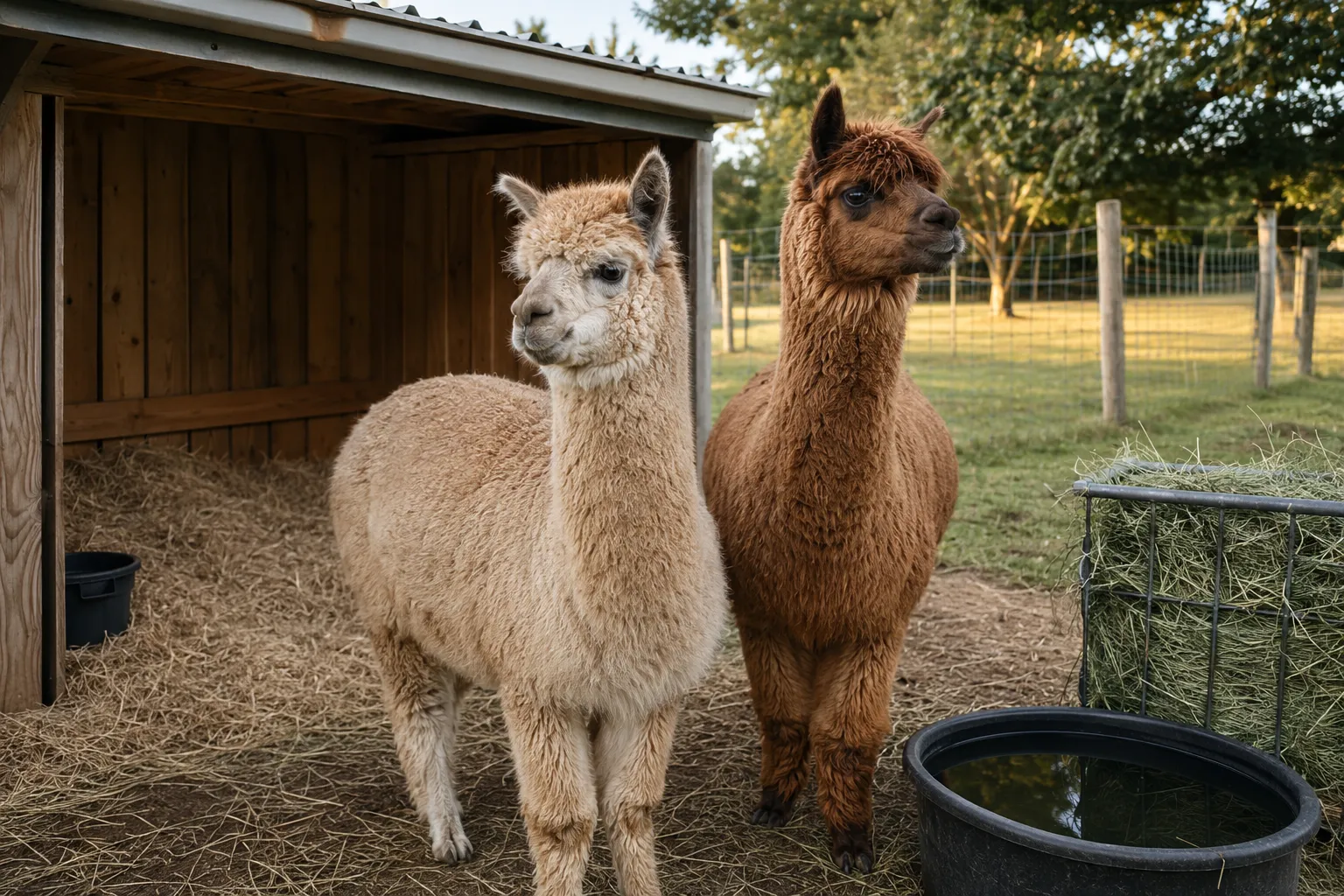
Long-term health is not usually about one special event. It is supported by appropriate forage, fresh water, a dry place to rest, routine observation, and the companionship of other alpacas.
A well-managed alpaca farm also plans for weather, safe fencing, parasite management, hoof care, shearing, and access to professional help when it is needed.
What influences lifespan
The things an owner can help support
- 01NutritionAppropriate forage and dependable water.
- 02Herd lifeStable social companionship.
- 03Routine careObservation, shearing, and hoof checks.
- 04Veterinary supportGuidance before small concerns grow.
- 05ComfortDry shelter and safe space in every season.
02 · Preventive attention
Notice changes early
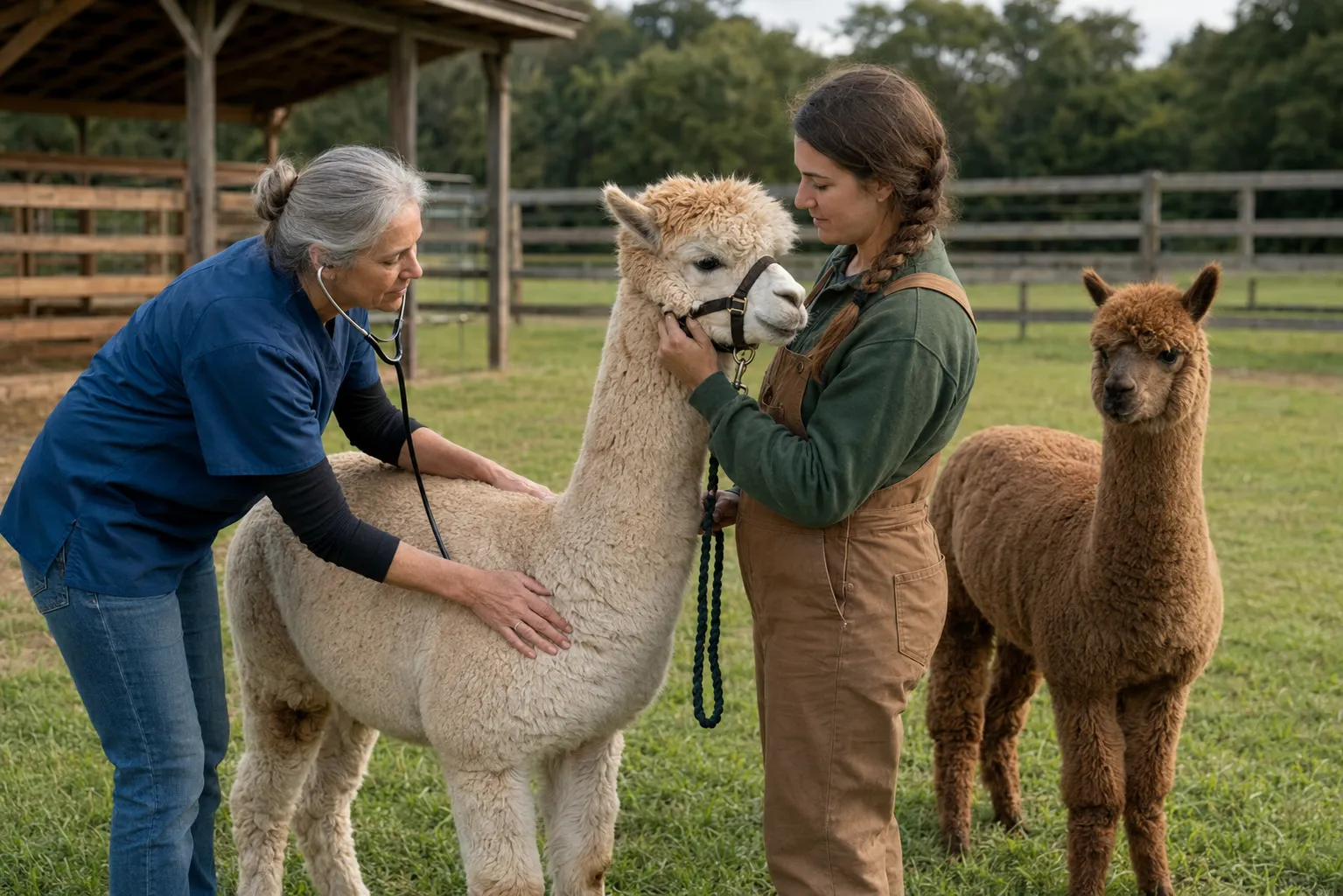
Knowing what is normal for each animal makes it easier to notice changes in appetite, behavior, movement, fleece, or body condition. Regular handling and observation make care less stressful for both the alpaca and the people responsible for it.
For individual health questions, an alpaca-experienced veterinarian is the right person to help assess the animal and recommend care.
Across the years
A lifetime, not just an age
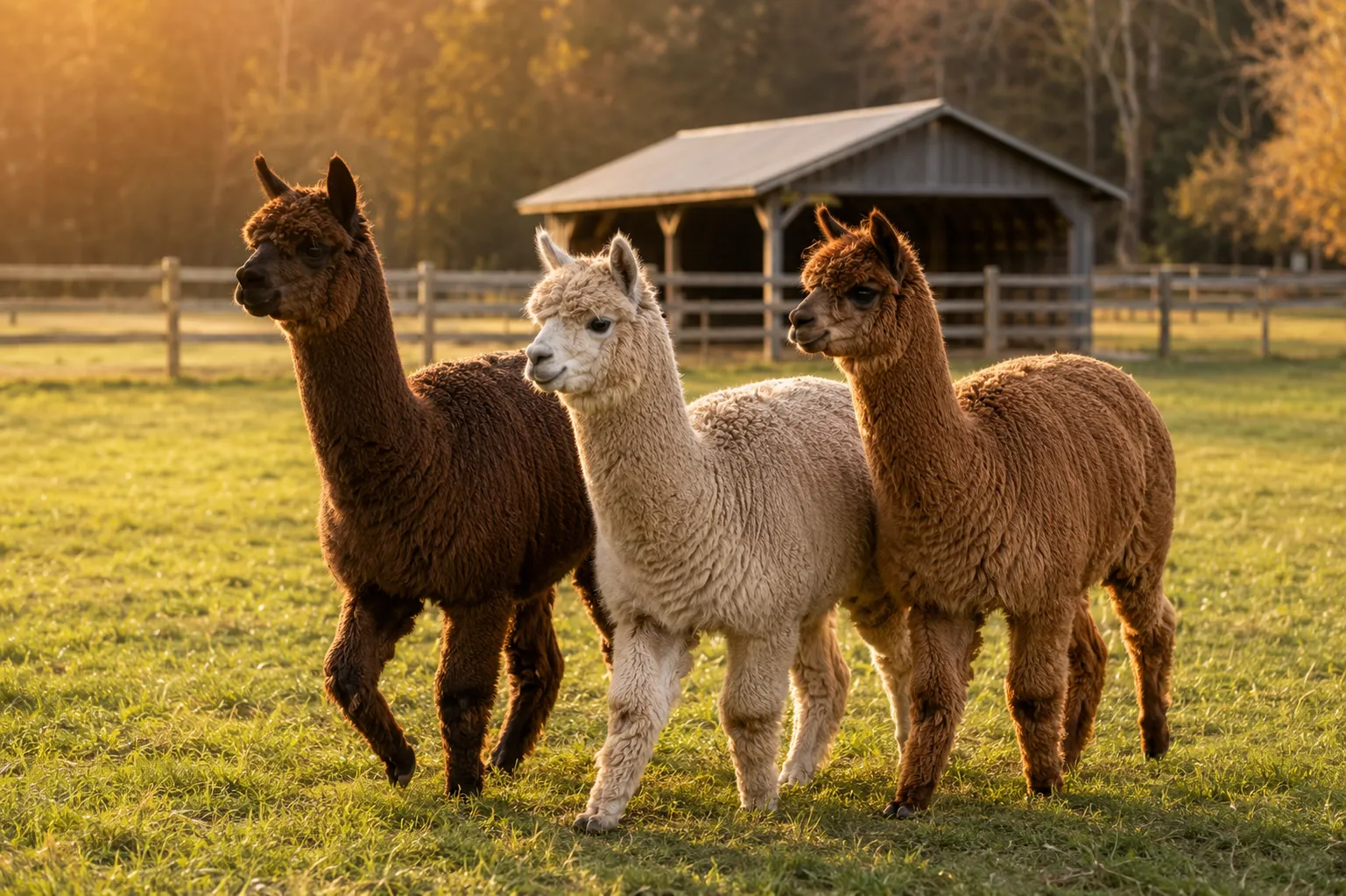
Alpacas change as they move from birth and criahood into the growing years, adulthood, and eventually senior life. Care should change with them, while the basics of companionship, forage, shelter, and regular attention stay the same.
03 · Senior years
Comfort and individual attention matter more
As an alpaca grows older, caretakers may need to pay closer attention to body condition, mobility, dental concerns, weather comfort, and access to food and water. The goal is to support a good quality of life for the individual animal.
The lifespan range is helpful for planning, but each alpaca is an individual. Thoughtful daily care gives every stage of life the attention it deserves.