Fleece retains warmth
Full fleece helps most in cold conditions when the animal can remain dry and move out of wind.
Fleece is only part of the answer
Alpacas live on farms with snowy winters, rainy seasons, dry summers, and rapid changes between them. Their fleece provides substantial insulation, but weather tolerance also depends on shelter, airflow, dry footing, water, shearing, age, health, and acclimation.
That is why the same weather can look ordinary on one farm and require a change of routine on another. Good management works with the animals' natural coat rather than expecting the coat to solve every condition.
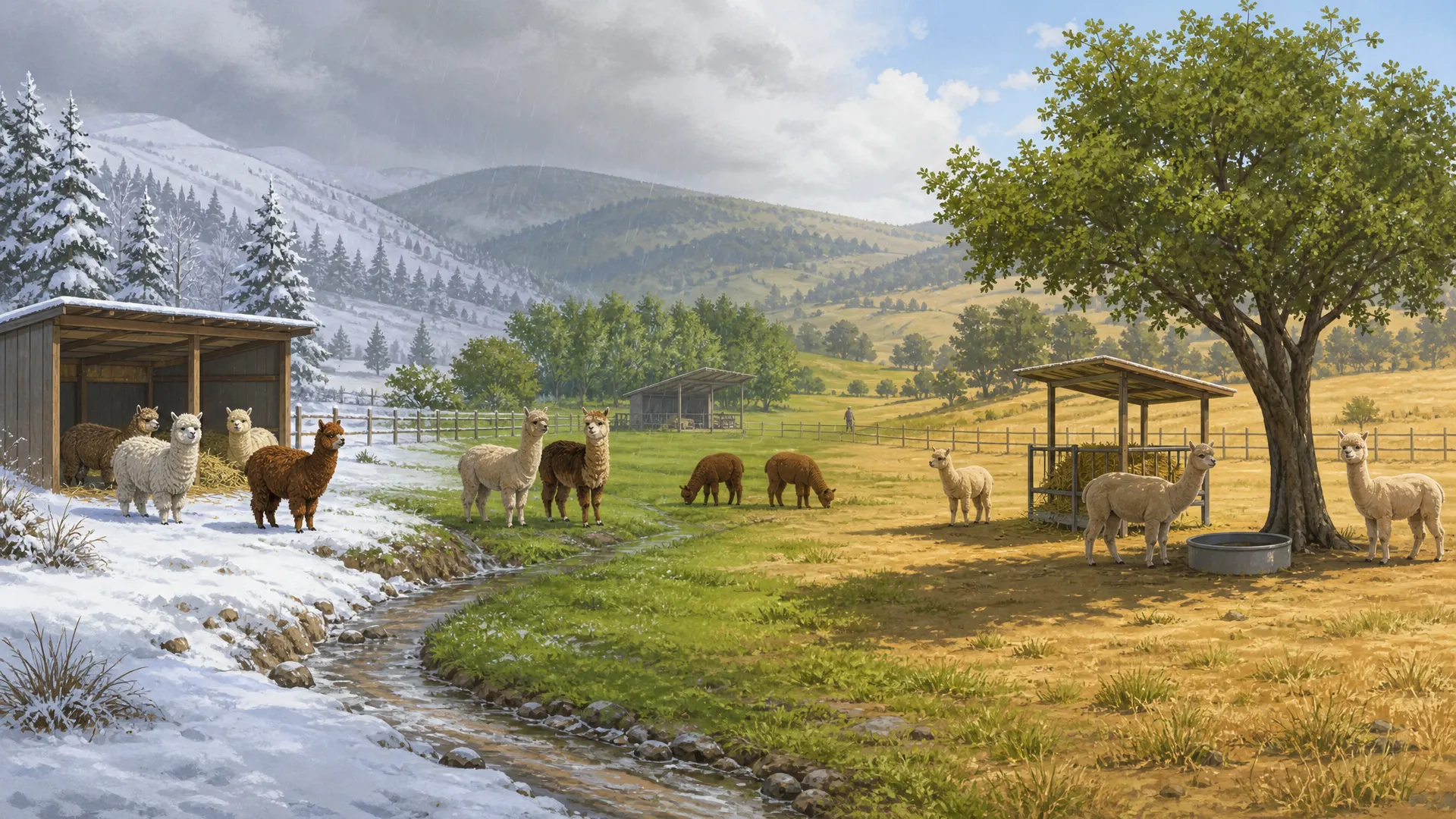
See farms in your climate
The directory makes it easy to compare farms across cold, wet, dry, coastal, and inland regions. Check individual listings for current visitor schedules before making a trip.
No single comfort number
Temperature alone does not describe what an alpaca experiences. Wind can strip warmth from wet fleece, humidity can make heat harder to lose, and muddy traffic areas can remain a problem after the rain stops.
Full fleece helps most in cold conditions when the animal can remain dry and move out of wind.
Roof runoff, surfaced gateways, shelter, and dry resting areas shape everyday comfort.
Shade, airflow, water, activity timing, and an appropriate shearing schedule become important.
A recently shorn alpaca and a full-fleece alpaca do not meet the same conditions in the same way.
Cold and snow
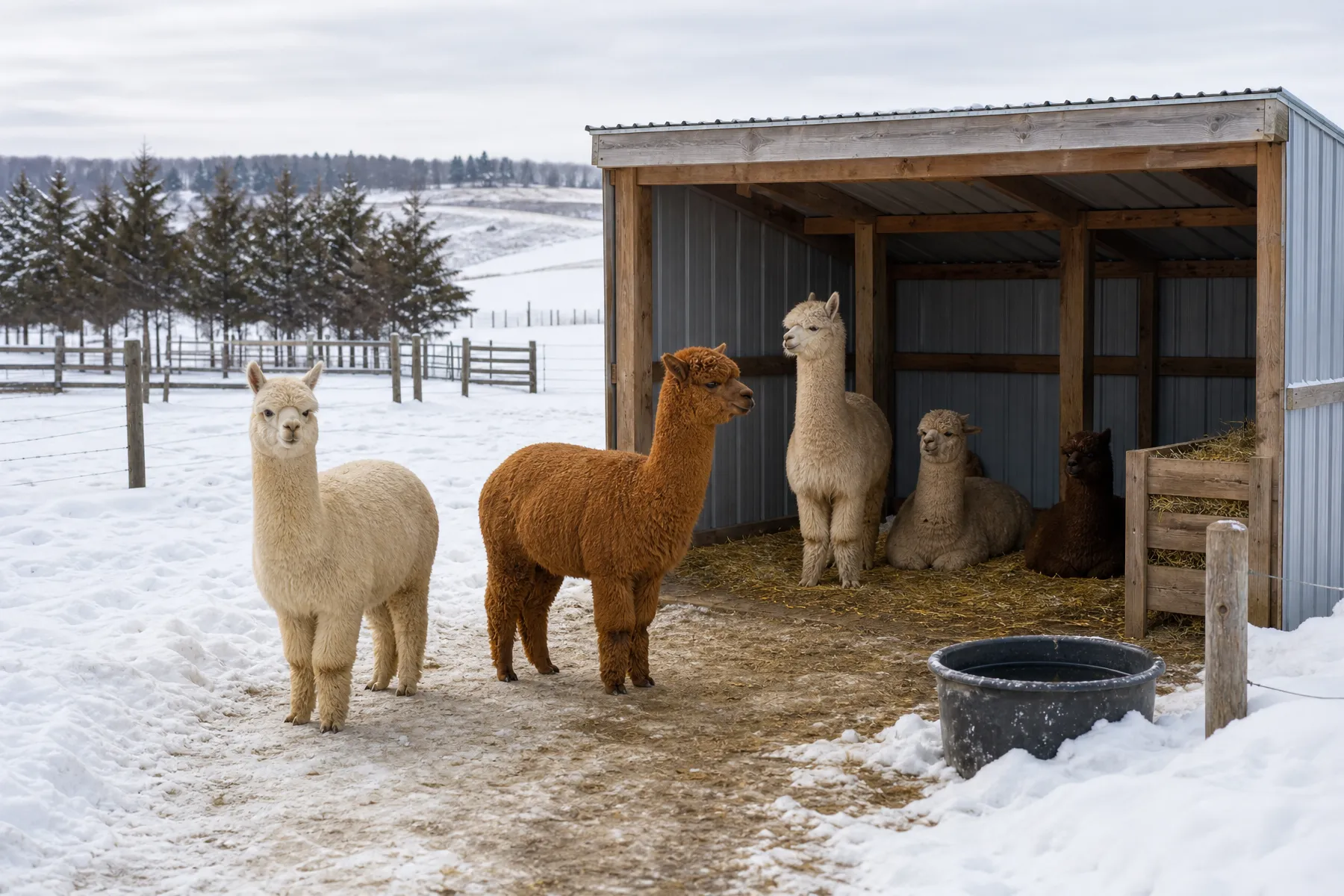
Alpaca fleece traps air close to the body and can provide effective insulation in cold weather. A calm snowy day may therefore be less challenging than a warmer day that combines wind and soaking rain.
Farms still provide a place to get out of precipitation and wind. Dry bedding, accessible feed, unfrozen water, and routes that are not blocked by drifting snow are practical parts of winter care. Animals may choose to stand outside, but that choice does not make shelter unnecessary.
Young, older, recently shorn, thin, or unwell animals may need different attention from healthy adults carrying full fleece. The farm evaluates the individual animal, not only the season on the calendar.
Rain and wet ground
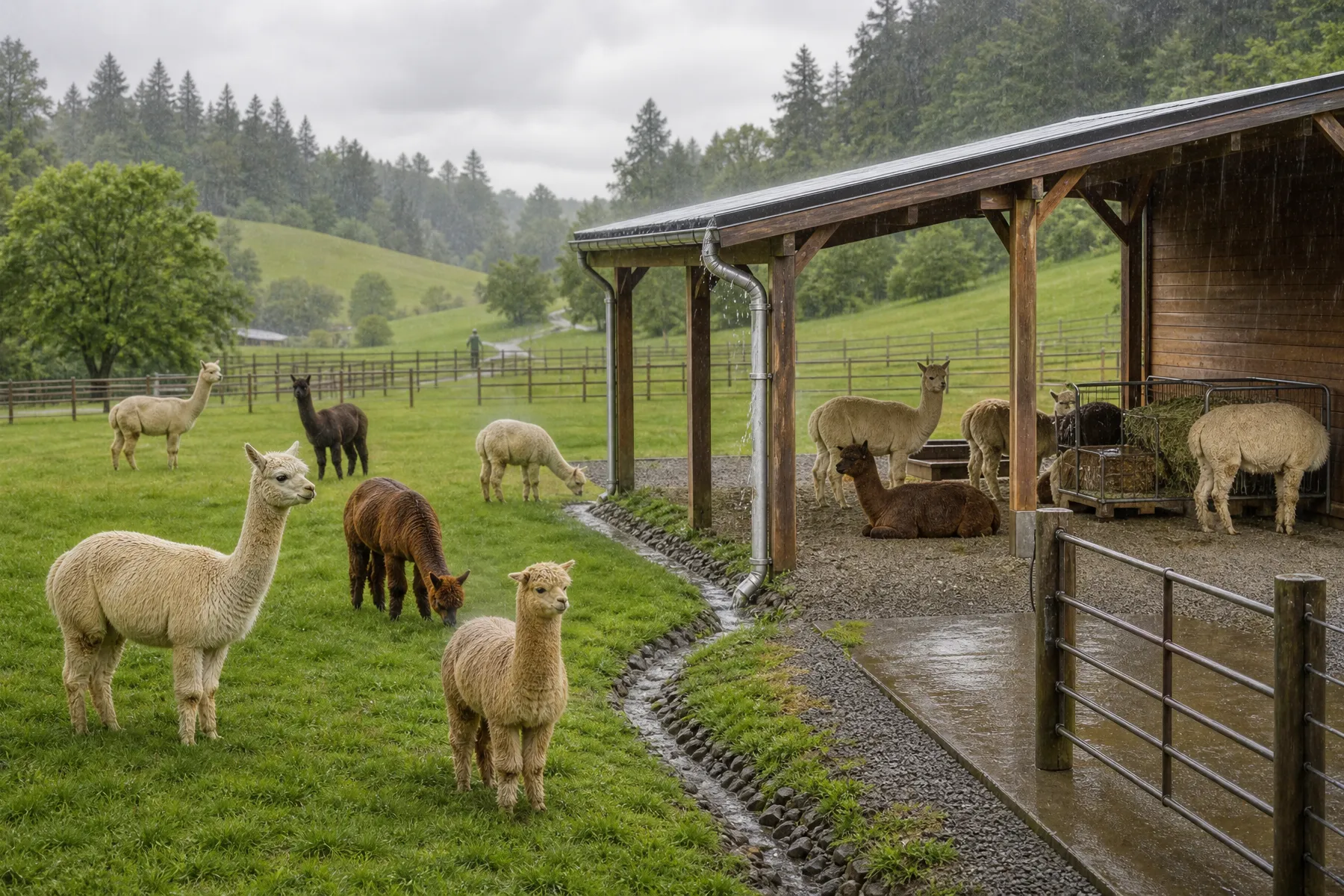
Light rain does not always send every alpaca indoors. Prolonged wetness, however, can soak the outside of the fleece and create persistent mud around gates, feeders, and water points. A green pasture can look inviting from a distance while its busiest areas need careful management.
Roof design, runoff direction, drainage, surfaced lanes, pasture rotation, and covered resting areas help separate ordinary rain from a continuously wet living environment. Farms in rainy regions build their routines around those repeated conditions rather than treating each storm as unusual.
The broader page on climate and farm regions looks at how rainfall, land, shelter, and seasonal patterns shape alpaca operations across the country.
Summer heat
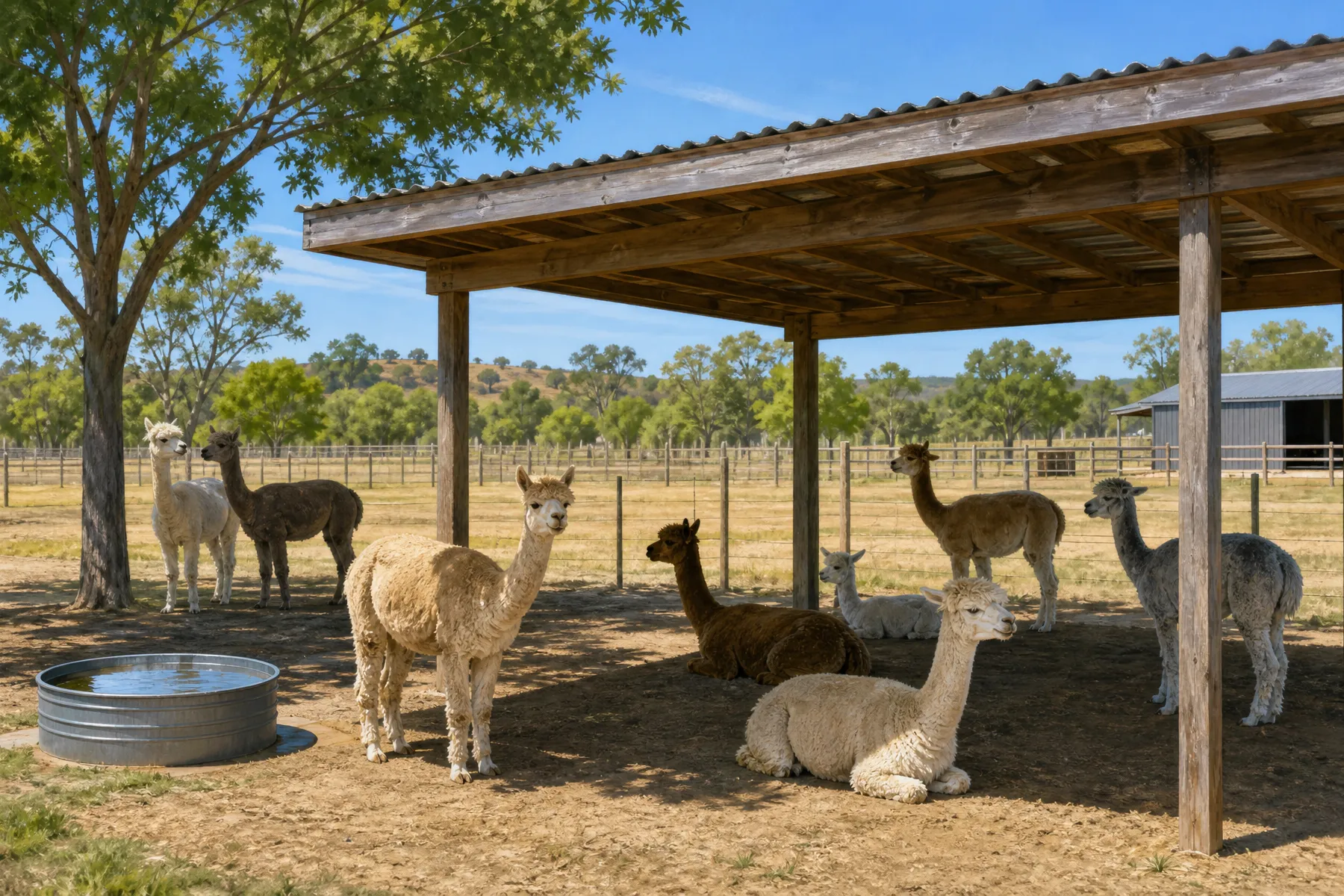
In summer, the goal is no longer to retain body heat. Alpacas need ways to lose it. Farms use seasonal shearing, shade, ventilation, reliable water, and changes to the timing of handling or visitor activities.
Humidity, direct sun, still air, nighttime temperatures, fleece length, body condition, and activity all affect heat load. This makes the visible air temperature only one part of the farm's decision.
After the fleece comes off
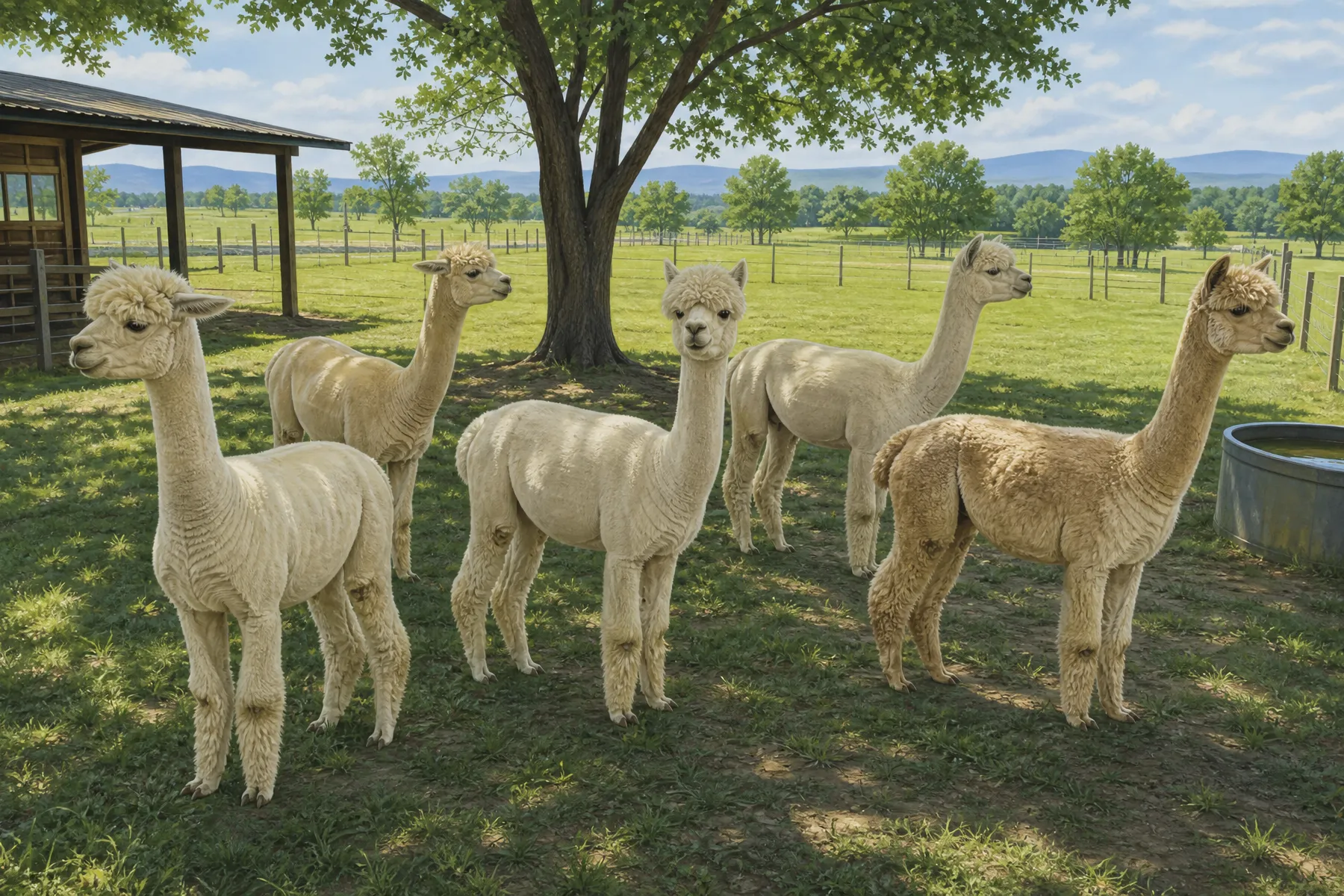
Recently shorn alpacas have a slim body profile, often with fleece left on the head and lower legs. Photographs taken at different times of year can therefore make the same animal look almost unrelated to itself.
Fleece begins growing again immediately, but the transition is gradual. Farms account for current coat length when weather changes rather than treating “shorn” and “full fleece” as permanent categories.
Seasonal appearance is also one reason a visit in early summer feels different from a winter visit. The guide to when to visit an alpaca farm explains how weather, shearing, events, and reservations can change what visitors see.
What changes on the farm
Farms respond to conditions through ordinary daily work. The details vary by property, herd, and region, but several parts of the routine move together.
Two contrasting wet-weather regions
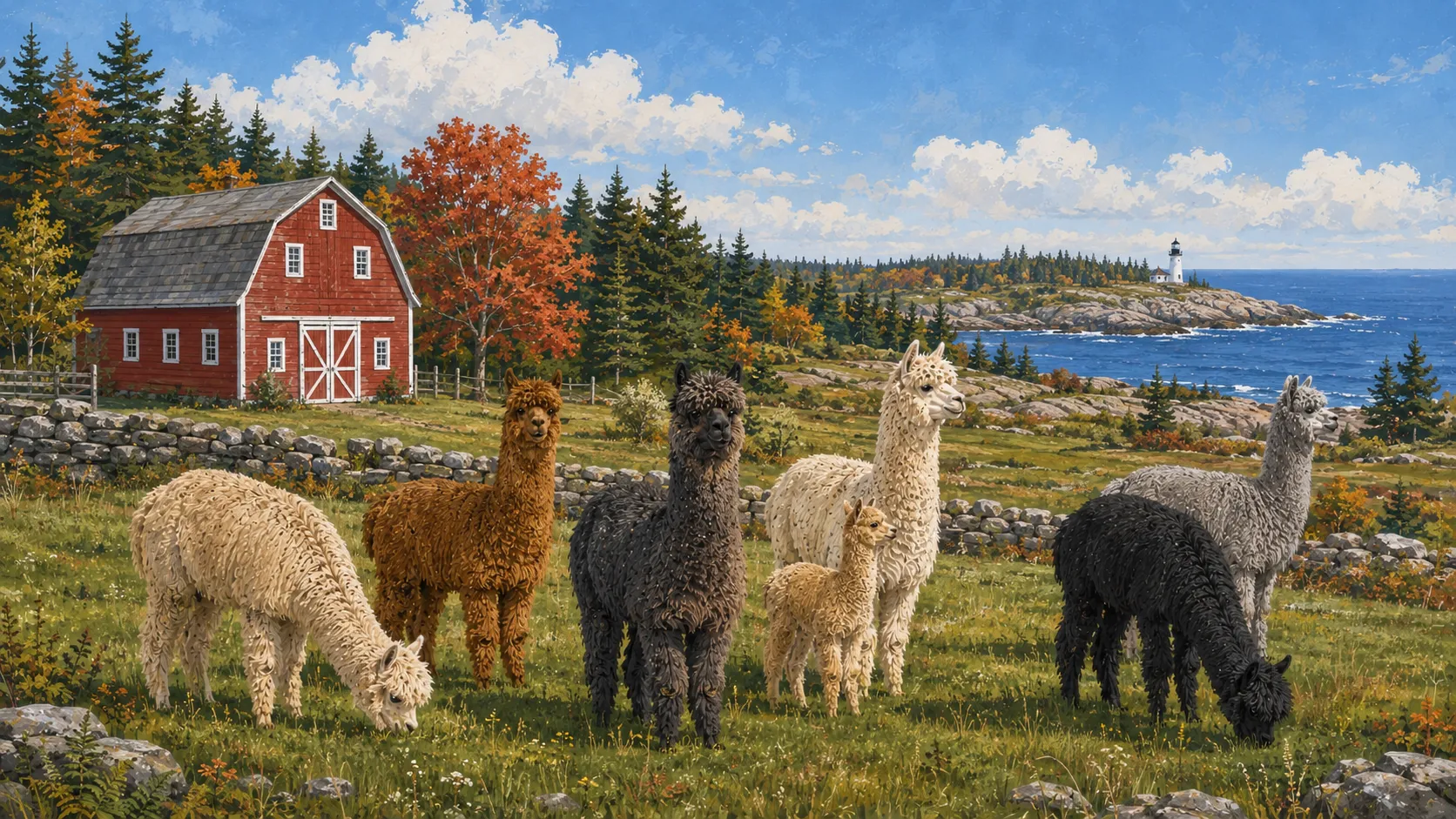
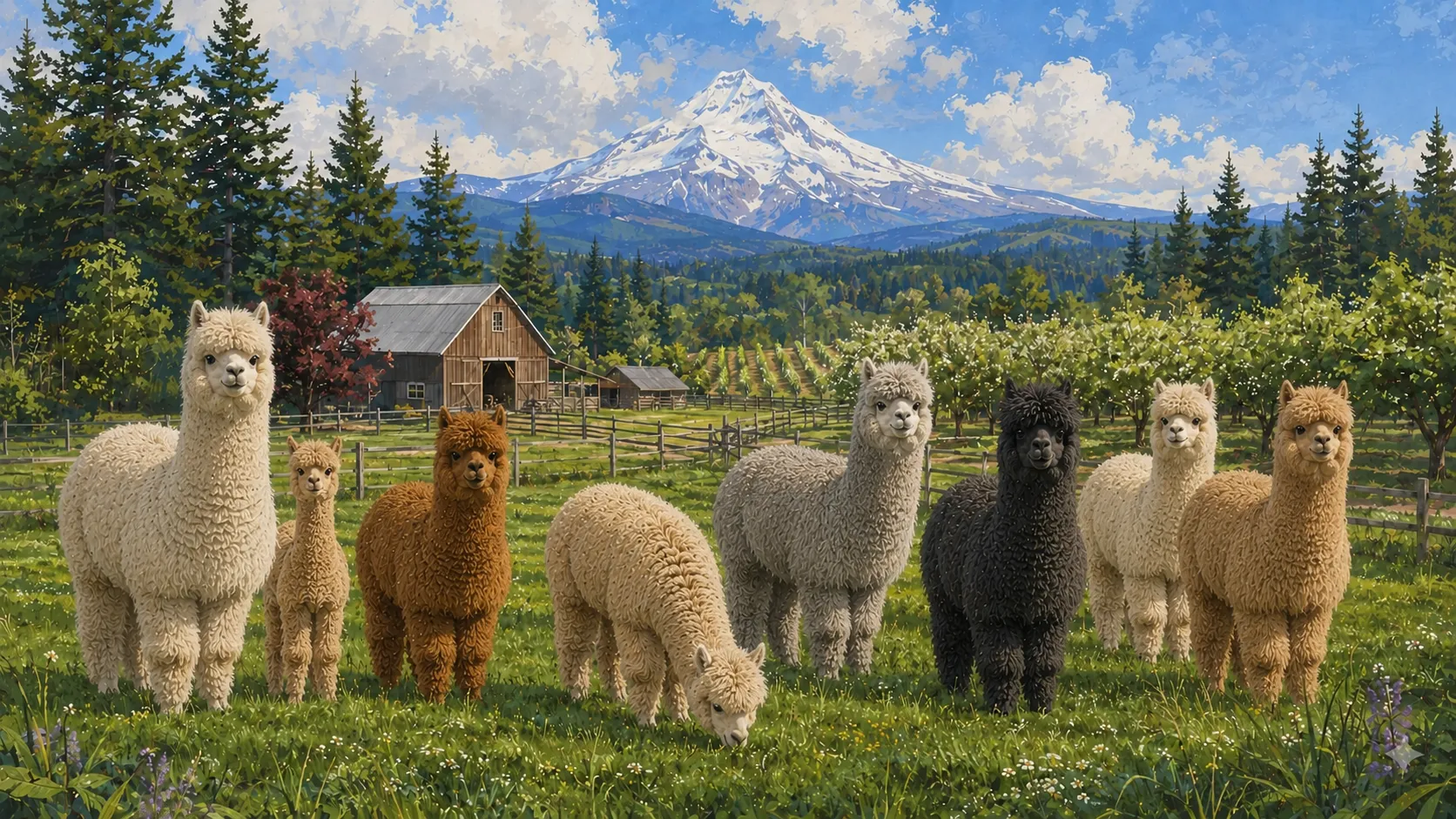
These state directories provide natural starting points for seeing how farms operate through cold winters, coastal moisture, seasonal rain, and green pasture conditions. Offerings still vary by individual farm.
Cold-season farming
Rain and regional contrast
For another climate, use the complete state directory or return to the national alpaca farms homepage.
Adaptation plus management
Their coats make cold-weather scenes possible, but shelter, dry ground, feed, and water remain part of that picture. In warm weather, shearing, shade, airflow, hydration, and timing become more visible.
Understanding those relationships gives a more accurate view of alpacas than either extreme—that they are fragile in every storm or naturally prepared for every climate without help.