From small rural parcels to open western land

Where alpacas are farmed

Alpacas are raised throughout the United States—not within one narrow climate, landscape, or farming region. American herds can be found on smaller properties near population centers, larger rural acreages, wet green farms, dry open ground, and many settings in between.

Geography matters, but it is only one part of the explanation. Land, feed, water, veterinary services, fiber processing, customers, and the farm's purpose all influence where an operation develops.

Alpacas on an American farm landscape
Geographic reach
Farms across the United States
Property scale
Small acreage through larger rural land
Main variable
How each farm uses and manages its setting

Explore the country

Find alpaca farms in every state

Use the complete state directory to compare locations, farm purposes, visitor information, and detailed profiles around the country.

A national farm animal

There is no single American alpaca region

Alpacas are associated historically with the Andes, but modern American farms do not need to reproduce one Andean landscape. Farms adapt their shelter, forage, water, shade, and seasonal routines to local conditions. The result is a wide geographic distribution rather than one dominant production belt.

A state name alone also says less than it may appear to. Elevation, rainfall, soil, development, and access to agricultural services can change substantially within the same state. Two farms only a few hours apart may have different pasture, herd sizes, business models, and public access.

A range of property sizes

Small acreage and open land can both support farms

Total acreage does not tell you how much land is usable, how the pastures are arranged, or how many animals the property can appropriately support.

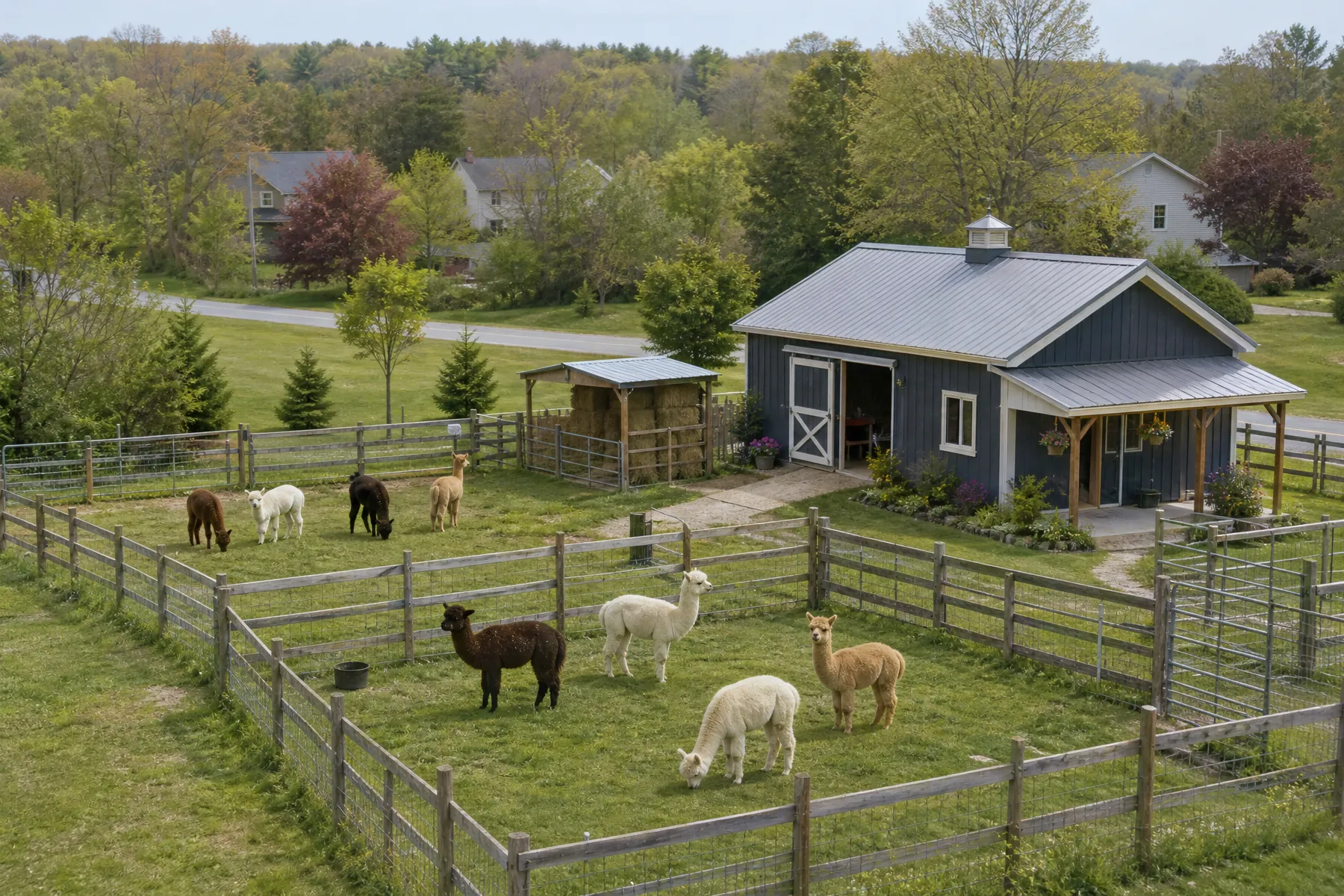
Alpacas kept on a carefully arranged small-acreage farm

Smaller properties

Land used with intention

Smaller alpaca farms may use divided paddocks, sacrifice areas, hay, and careful traffic patterns to reduce wear. Their proximity to towns can also make farm stores, local customers, or scheduled visits more practical.

Explore alpaca farms in Michigan to compare breeding, fiber, visitor, and mixed operations across Great Lakes settings.
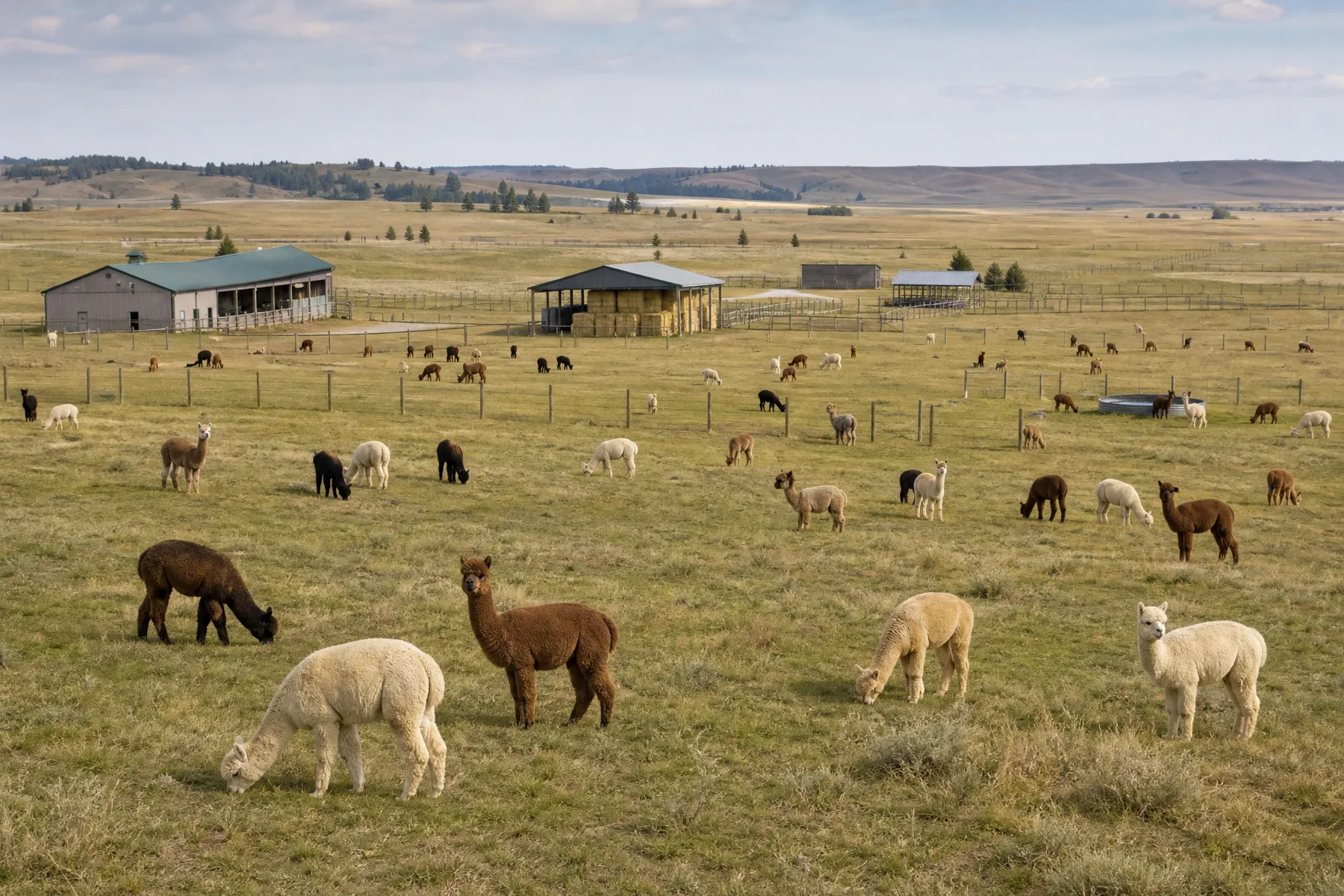
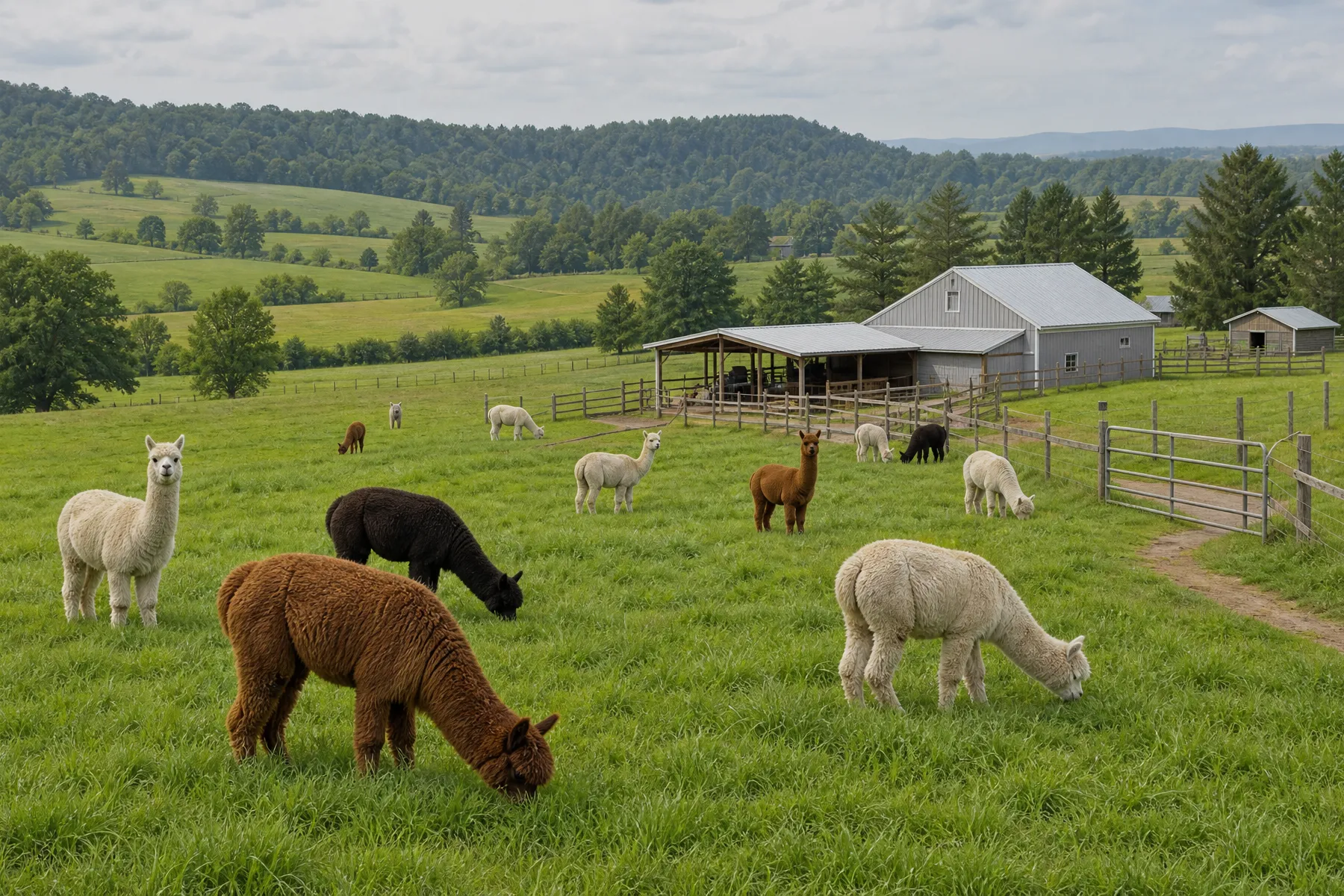
An alpaca herd on a larger open rural property

Larger properties

More room, different constraints

Larger farms may separate groups, rotate pastures, or maintain more distance between barns and property entrances. Open land can also bring longer fence lines, greater wind exposure, and more travel between working areas.

The listings for alpaca farms in Colorado include operations across plains, foothills, mountain communities, and developed areas rather than one uniform landscape.

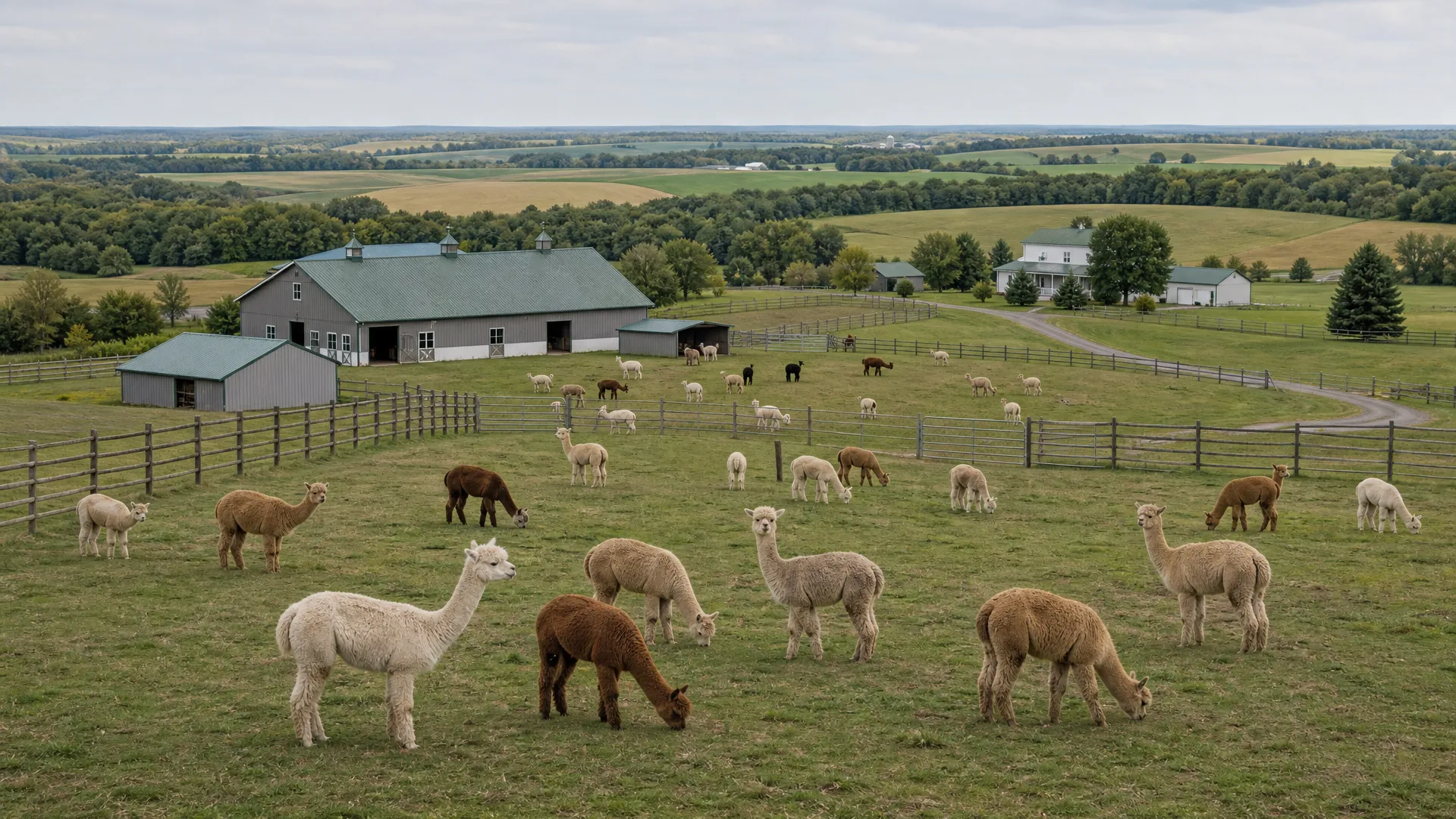
Alpacas grazing on a green managed pasture

Green and temperate regions

Pasture depends on more than rainfall

A green landscape can make grazing appear effortless, but pasture remains a managed resource. Soil, drainage, plant growth, stocking, seasonal rain, and traffic around gates all influence how long a field remains usable. Farms may rotate animals, feed hay, or keep alpacas off saturated ground.

Wet regions can therefore support productive pasture while still creating mud and drainage challenges. Drier regions may rely more visibly on hay or irrigation. Neither landscape alone reveals the farm's complete feeding or land-management system.

Browse alpaca farms in Oregon to see operations in a state that includes wet western valleys, mountain areas, and substantially drier inland settings. The separate guide to alpaca farming climates explains how those conditions affect farms and visits.

Beyond land and weather

Services and markets help shape farm locations

Land may make a herd possible, but a farm also depends on connections. Hay suppliers, large-animal veterinary care, transportation, fencing, equipment, fiber mills, agricultural networks, customers, and visitor demand can all affect whether a location works for a particular operation.

These connections matter differently by farm type. A breeding operation may place greater emphasis on livestock transport and access to other breeders. A fiber-centered farm may value mill relationships and craft markets. A visitor farm may depend more heavily on roads, nearby population, parking, and regional tourism.

That is why the page about types of alpaca farms is useful alongside geography. Two farms can occupy similar land while requiring different services because their purposes are different.

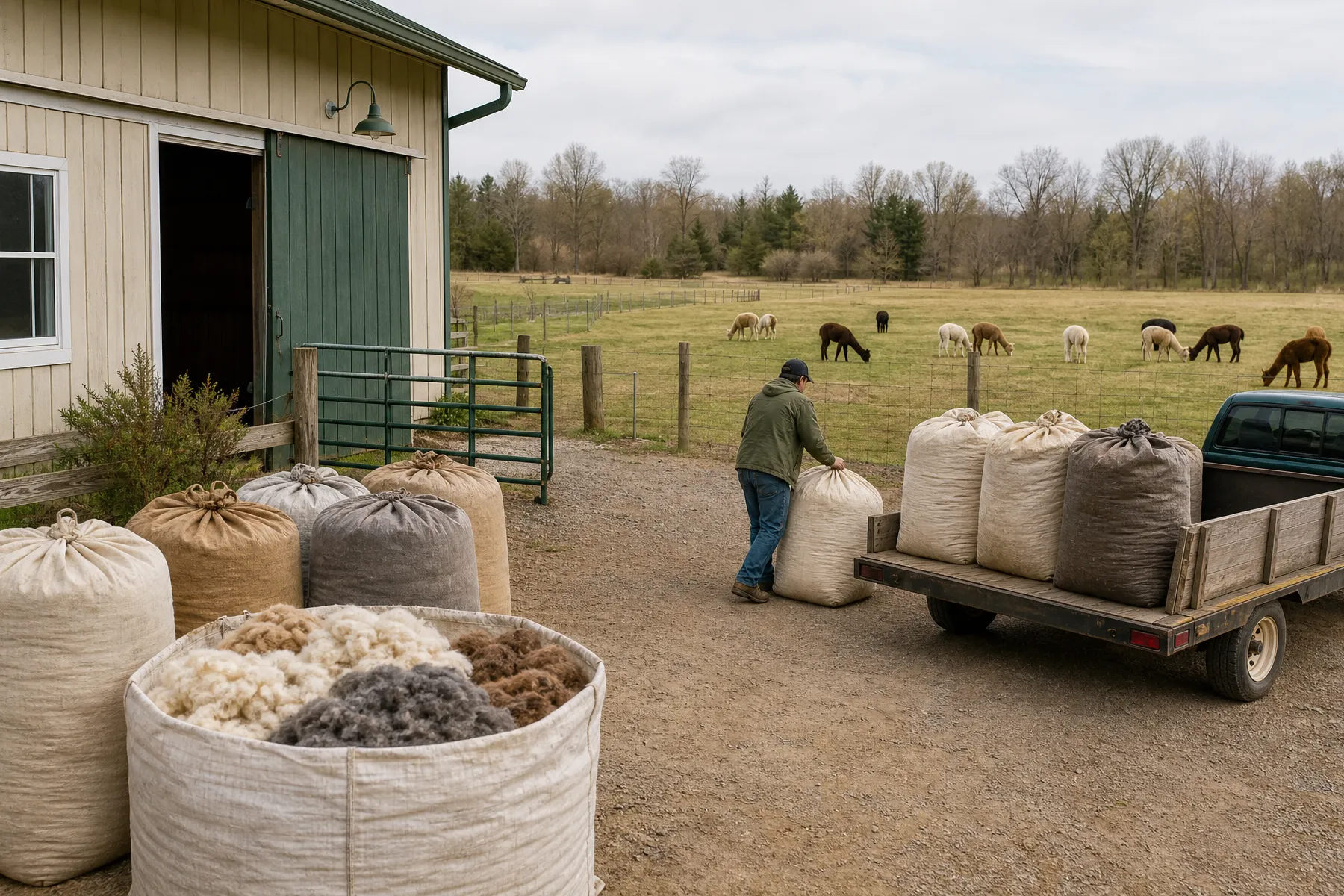
An alpaca farm connected with fiber processing and local markets
Fiber mills, makers, customers, and transportation connect a farm with a larger regional economy.

What supports a farm

Six factors behind an alpaca farm location

No single factor decides where alpacas are raised. A workable location brings several practical needs together.

Usable land
Pasture, dry lots, shelters, gates, and service areas must work together.
Feed and water
Pasture, hay, storage, and dependable water vary by region and season.
Animal services
Veterinary care, transport, supplies, and experienced help support the herd.
Climate management
Shade, airflow, drainage, wind protection, and winter access respond to local weather.
Farm purpose
Breeding, fiber, retail, visits, events, and lodging create different location needs.
Customers and markets
Buyers, visitors, mills, makers, and regional travel connect the farm outward.

Three contrasting directories

Start with Michigan, Oregon, or Colorado

Each state contains several landscapes and types of farm. These examples are starting points for comparison, not boundaries around where alpacas can be raised.

Great Lakes

Michigan

Compare smaller farms, rural acreage, breeding operations, fiber businesses, and seasonal visitor access.

Explore Michigan farms
Pacific Northwest

Oregon

Explore wet valleys, drier inland areas, farm stores, fiber operations, breeding farms, and visitor experiences.

Explore Oregon farms
Mountain West

Colorado

Look across plains, foothills, mountain settings, large properties, lodging, events, breeding, and tours.

Explore Colorado farms

Ready to look elsewhere?

View alpaca farms in all states

Location is context

A region cannot tell you everything about a farm

Geography helps explain pasture, weather, travel, and the surrounding agricultural economy. It does not reveal whether a farm welcomes guests, sells livestock, runs a fiber mill, keeps a private herd, or combines several activities.

Use the national alpaca farm directory to compare actual listings, then learn more about alpacas and verify current information with the individual farm before visiting or making an agricultural inquiry.