
From animal to finished fiber
See what happens after shearing
Coyote Trail Farm & Fiber Mill combines a family farm near Fairbanks with small-batch fiber processing. Its alpacas and sheep bring the raw material into the story; the mill shows how that material becomes something a spinner, knitter or felt maker can use.
That connection gives this outing a clear focus. Families can learn what fleece is and how it changes, while fiber enthusiasts can ask about the decisions behind a finished yarn.
Inside the mini-mill
Follow the fleece through the process
The farm describes tours that introduce visitors to the animals and explain processing from incoming fiber to spinning. It says noisy and potentially hazardous machines are switched off during the tour, so expect an explanation of the equipment rather than a promise that every machine will be running.
Preparing the fleece
Tumbling loosens debris, washing removes dirt and oils, and picking separates the fibers. Dehairing is an additional option for material that needs coarse guard hairs removed.
Making roving & yarn
Carding arranges fiber into roving or batts. Drafting prepares roving for spinning; strands are spun and plied, then steamed and wound into cones or skeins.
Other finished forms
The services page also describes felting, dyeing and rug yarn. These offer useful examples of how processing choices can lead to different finished materials.
For small farms & fiber artists
Small batches with an individual purpose
The mill’s specialty is processing smaller orders, including customers’ own fleeces. Its website explains that breed, fiber quality, cleanliness and the cut of the fleece affect what can be made from it.
Alpaca is one part of that work. The mill lists sheep wool, llama, yak, muskox qiviut and other fibers among the materials it can process. For a visitor, this opens up questions about how different animal coats behave and why one fleece becomes yarn while another might become roving or felt.
If you have fiber to submit, arrange that separately from a sightseeing visit. Ask about preparation, accepted quantities, the finished product you want and the current turnaround before bringing or shipping a batch.
The family behind the mill
A childhood interest in wool grew into a farm
Owner Kate describes learning about fiber through her grandmother’s projects and interest in quality wool. The mill grew from that background, alongside the family’s interest in raising fiber animals.
The farm’s stated goal is to connect Alaska’s livestock keepers and small flock owners with local fiber artists. Its older farm description also discusses greenhouse growing, a garden and plans for an orchard as part of a family homesteading project.
Ask which animals and growing areas are included in today’s tour. The published descriptions reflect the farm’s development over time rather than a guaranteed itinerary for every visit.
Yarn to take home
Look at the fiber in its finished form
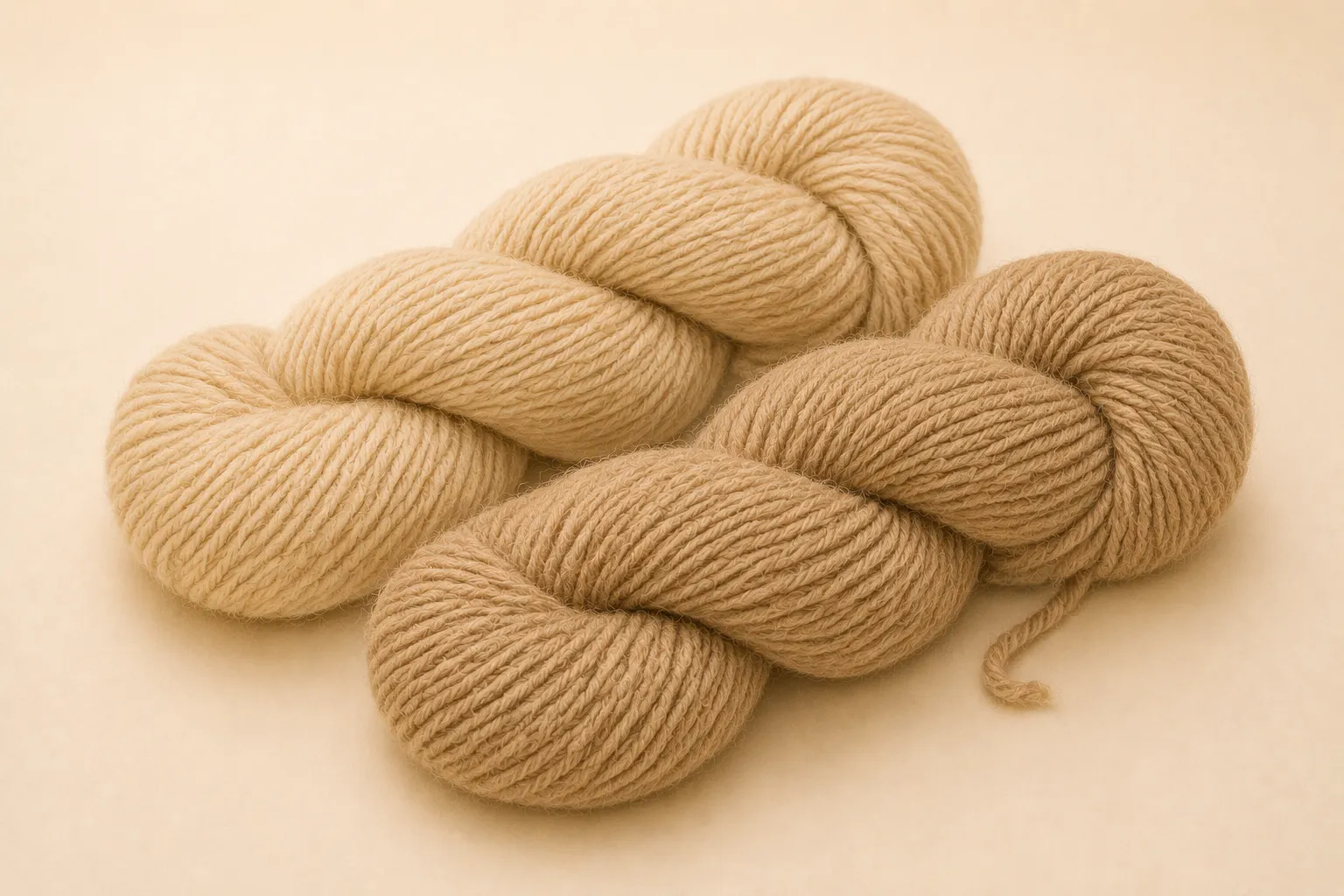
The online shop lists alpaca-and-merino blends, llama-and-merino blends and sheep-wool yarns, with natural shades alongside dyed colors. Those listings give a sense of the materials the mill has worked with.
The tour page mentions a small gift shop. Ask what is currently available to browse or buy during your appointment, especially if you want a particular fiber, yarn weight or color for a project.
Arrange your visit
Before driving to Coyote Trail
- Farm location
- 1669 Coyote Trail
Fairbanks, AK 99708The PO Box on the website is a mailing address. Confirm directions to the property when arranging a visit.
- Tour arrangements
- Request a visit directly. The site lists a one-hour tour and a $10-per-person charge, but contains older dates; confirm the current price, duration and availability.
- Access & facilities
- The tour page describes an accessible mill building, a public bathroom and sloped outdoor walking. It also mentions assistance for the hill. Confirm those arrangements for your group.
- Road conditions
- The farm warns that access can be challenging and recommends all-wheel drive in winter. Ask about current road conditions before leaving.
- Children & interests
- Mention children’s ages, mobility needs and whether your group is mainly interested in the animals or fiber processing, so the farm can explain what to expect.
Reviewed October 12, 2026, using the farm’s website. Several pages retain 2021 updates and older event dates; confirm visit details directly.